Europe has a reputation for being expensive, and in Paris, London, Zurich, or Venice it absolutely earns it. But that reputation hides a second Europe — one where a three-course dinner with wine costs €15, a craft beer is €2, a central hotel room is under €70, and the architecture, history, and food are every bit as good as the famous-and-pricey cities. You just have to know where to point yourself.
This is a ranked, honest look at eight European cities where the money goes furthest in 2026, spread from the genuinely cheap east (Poland, Hungary, the Baltics, the Balkans) to the best-value corners of the expensive west (Portugal, southern Italy, Greece, Spain). I've ordered them roughly from cheapest to least-cheap, with real prices — what a beer, a meal, and a bed actually cost — so you can see the tiers clearly. None of these are compromises. Several are among the most beautiful cities in Europe; they're simply under-priced relative to their fame.
Two honest framings. First, 'cheap' has tiers: Eastern Europe (Kraków, Budapest, Vilnius, Belgrade) is dramatically cheaper than the West, while the Western picks (Porto, Naples, Athens, Valencia) are 'cheap for Western Europe,' not Balkan-cheap. Second, low prices sometimes come with trade-offs — seasonality, over-tourism in the famous spots, or rough edges — and I've flagged them. Here are the eight, cheapest first.
The Ranking at a Glance
Here's the field, ordered cheapest to least-cheap, with a realistic mid-range daily budget for one person (a private room or good guesthouse, eating well but mostly local, paying for the main sights, and a couple of drinks). The first four are Eastern/Central European and genuinely budget; the last four are the best value in pricier Western and Southern Europe. Every one of them comes in well under what you'd spend in Paris, London, or Amsterdam — many at less than half.
| Rank | City | Country | Daily budget (mid-range) |
|---|---|---|---|
| 1 | Belgrade | Serbia | $45–70 |
| 2 | Kraków | Poland | $50–80 |
| 3 | Budapest | Hungary | $55–85 |
| 4 | Vilnius | Lithuania | $55–85 |
| 5 | Porto | Portugal | $70–110 |
| 6 | Athens | Greece | $70–115 |
| 7 | Naples | Italy | $75–120 |
| 8 | Valencia | Spain | $80–125 |
1. Belgrade, Serbia — Europe's Cheapest Nightlife Capital
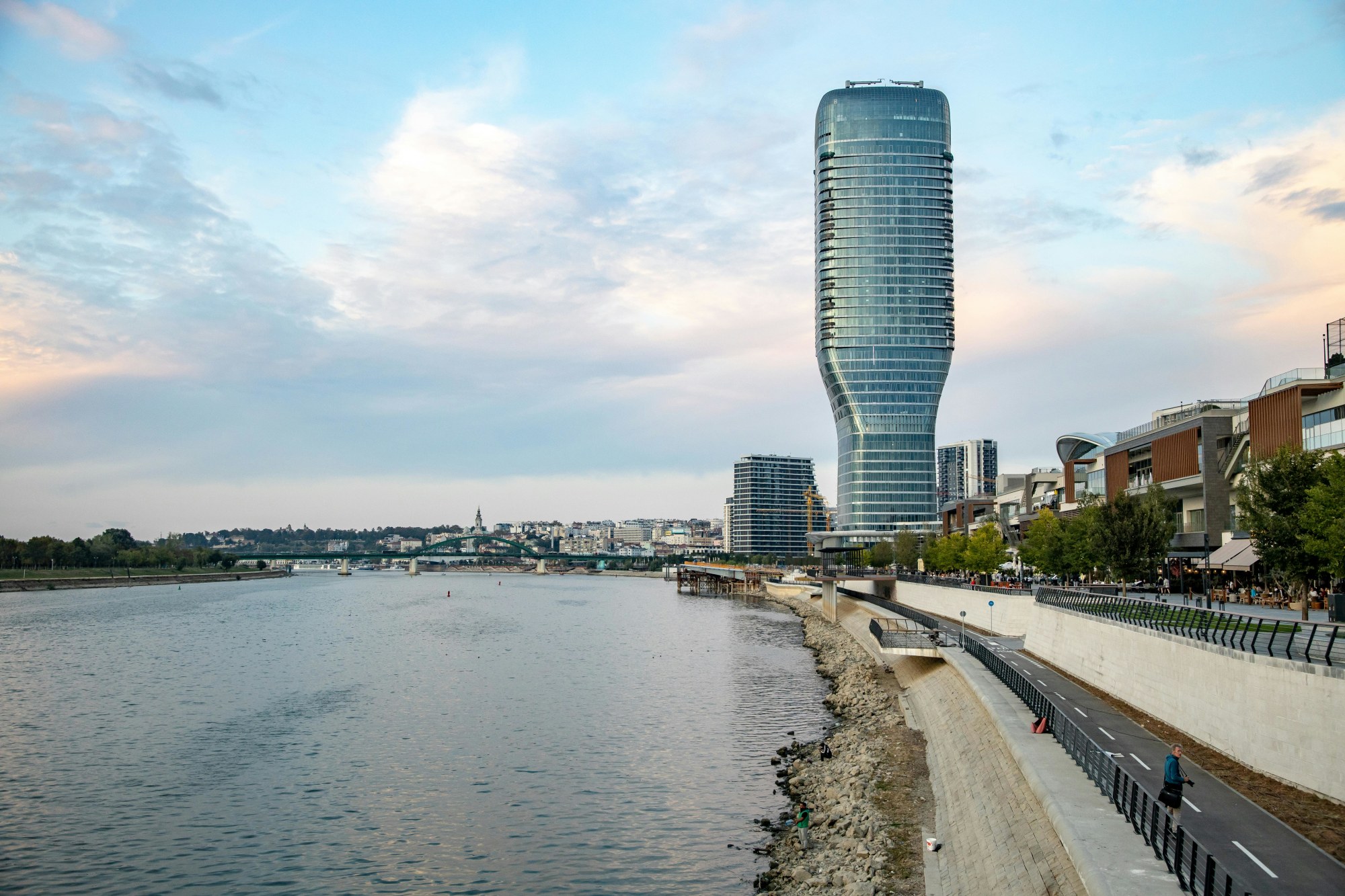
Belgrade is the cheapest city on this list and the one with the most attitude. Serbia isn't in the EU, which keeps prices low and the euro at arm's length — a domestic beer is often under €2, a hearty grilled-meat meal (ćevapi, pljeskavica) is €5–8, and a central room runs €40–60. What you get for it is a gritty, energetic, unpretentious capital at the confluence of the Sava and Danube rivers: the hilltop Kalemegdan fortress, the bohemian cobblestones of Skadarlija, and a legendary nightlife scene built around the splavovi — floating river clubs that party until dawn in summer.

The honest catch: Belgrade is not a polished, picture-postcard city. Its beauty is in its energy and its riverside rather than a flawless old town — socialist-era concrete sits next to Habsburg facades, and parts feel rough around the edges. If you want fairytale-pretty, look further down this list. If you want the most fun per euro in Europe, start here.
2. Kraków, Poland — The Cheap City That's Also Gorgeous
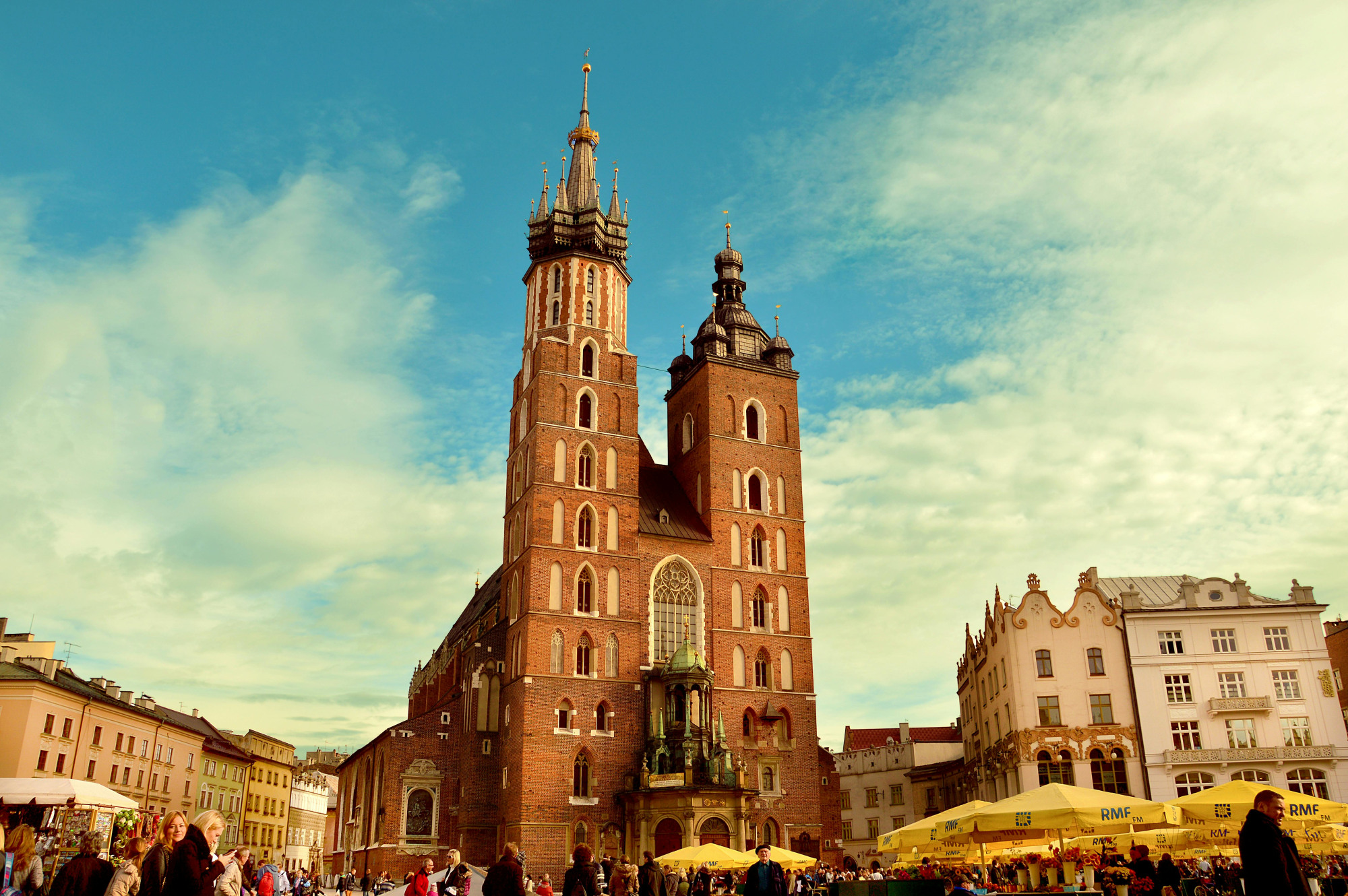
Kraków is the sweet spot of cheap-and-beautiful. Poland's former royal capital escaped WWII destruction, so its medieval core is intact and genuinely stunning: the vast Rynek Główny (Europe's largest medieval market square), the Cloth Hall, Wawel Castle on the hill, and the atmospheric Kazimierz Jewish quarter full of bars and street food. And it's cheap — a pierogi meal is €5–7, a craft beer €2.50, a central room €45–70. You get a UNESCO-listed old town with the price tag of a budget city.

Kraków is also the base for two of Europe's most significant day trips: the Auschwitz-Birkenau Memorial (a sobering, essential half-day, free entry though tours book out) and the surreal Wieliczka Salt Mine with its underground chapels carved from salt. The catch is its own popularity — the main square and Kazimierz get busy, and stag-party tourism is a thing on weekends — but it's easy to sidestep, and the value is hard to beat.
3. Budapest, Hungary — Grand Looks, Modest Prices
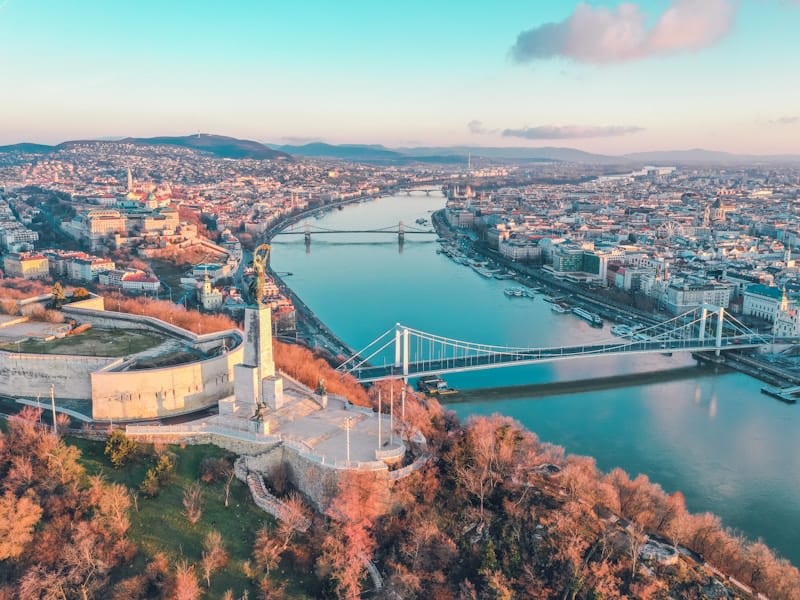
Budapest delivers the most grandeur per euro in Europe. The Hungarian capital looks like an imperial city — the neo-Gothic Parliament along the Danube, the grand boulevards, Buda Castle on the hill, the chain bridges lit at night — but it charges Eastern-European prices: a hearty meal is €8–12, a beer €2–3, a central room €55–80. Its signature experiences are uniquely good value too: a soak in the grand thermal baths (Széchenyi, in a vast neo-baroque palace) costs around €20, and the famous 'ruin bars' built into derelict buildings in the Jewish Quarter serve cheap drinks in unrepeatable settings.

The honest catch is that Budapest's secret is out — it's one of the most popular city-breaks in Europe now, so the central areas (and the ruin bars) get crowded and the most touristy spots have crept up in price. It's still excellent value, but it's no longer the undiscovered bargain it was a decade ago. Book ahead on summer weekends.
4. Vilnius, Lithuania — The Underrated Baltic Bargain
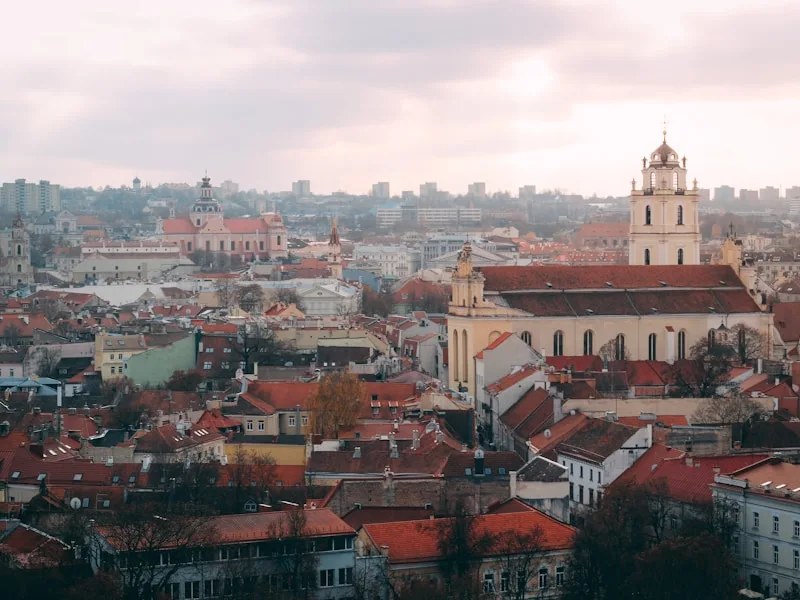
Vilnius is the least-known city on this list and one of the best surprises. Lithuania's capital has the largest baroque old town in the Baltics — a UNESCO-listed maze of cobbled lanes, churches, and courtyards — plus a quirky, creative streak (the self-declared 'Republic of Užupis,' a bohemian artists' enclave with its own tongue-in-cheek constitution). It's a euro-zone country, so slightly pricier than Belgrade or Kraków, but still cheap by Western standards: a good meal is €10–14, a beer €3–4, a central room €55–80, and it's blissfully uncrowded compared to the bigger names.

5. Porto, Portugal — The Cheapest City in Western Europe
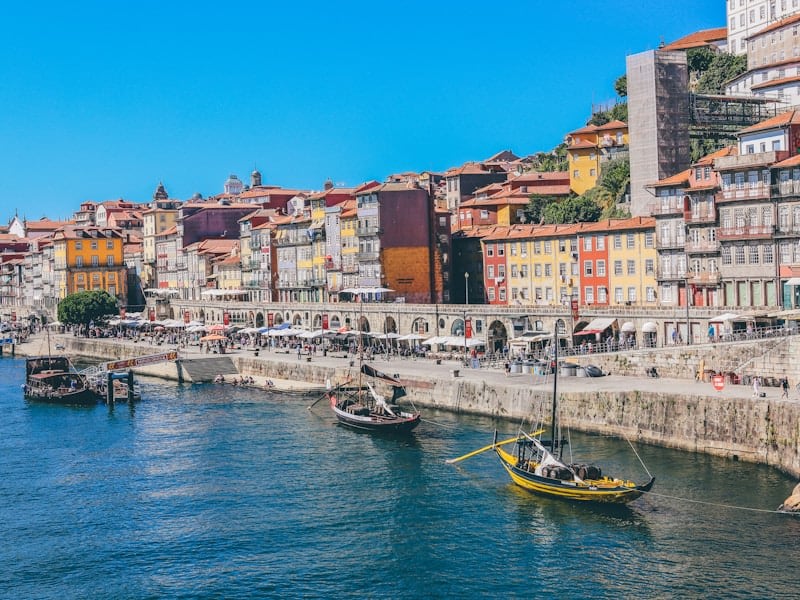
Porto is where 'cheap Western Europe' begins. Portugal is the most affordable country in Western Europe, and Porto is cheaper than Lisbon — a city of steep, tiled lanes tumbling down to the Douro River, the riverside Ribeira district, ornate churches, and the port-wine lodges across the water in Vila Nova de Gaia. A pastel de nata is under €2, a francesinha (the city's gut-busting signature sandwich) is €8–10, a glass of port €3–5, and a central room €70–100. You're in Western Europe, on the Atlantic, for noticeably less than Spain, France, or Italy.
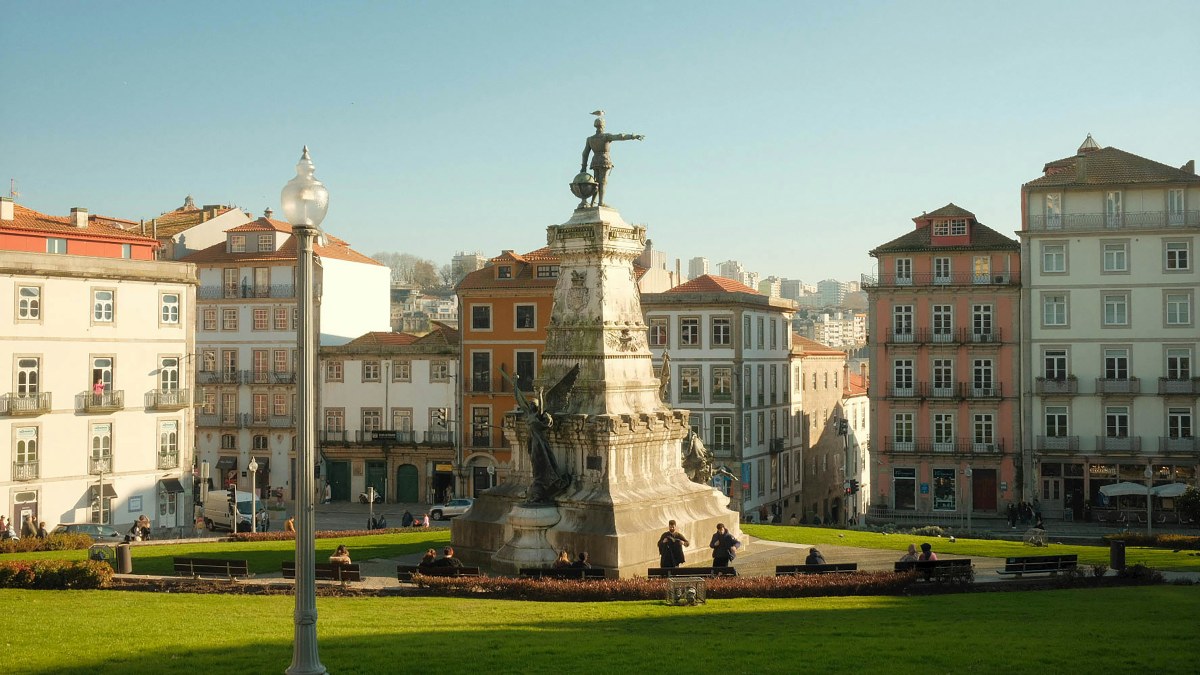
The catch is that Portugal's affordability is slipping as it booms in popularity — prices have risen fast in the last few years, and the most central, Instagram-famous spots are no longer dirt-cheap. It's still the best value in Western Europe, but go sooner rather than later, and eat a few streets back from the river to keep the bargain intact.
6. Athens, Greece — Ancient Wonders, Capital-City Value
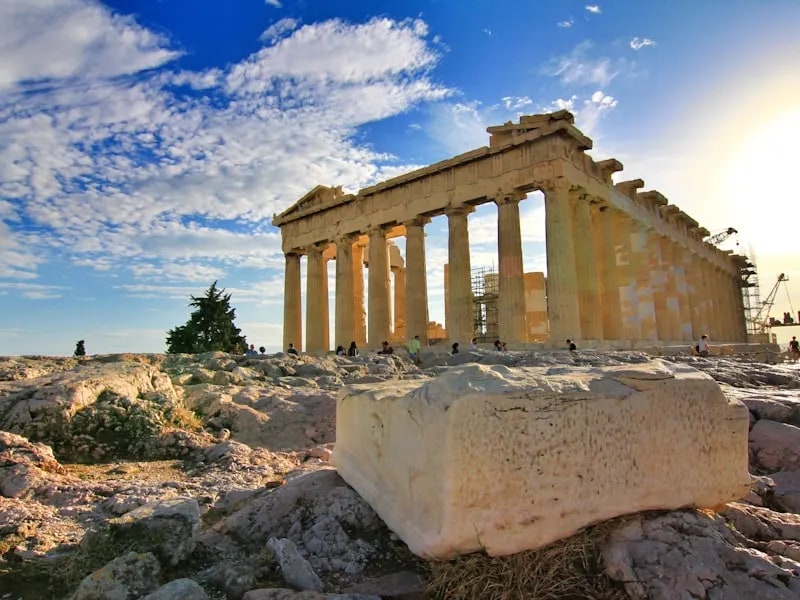
Athens is the cheapest classical-heavyweight capital in Europe — the place where you can stand under the Parthenon in the morning and eat a €3 souvlaki for lunch. The Acropolis and its museum, the ancient Agora, the Roman and Greek ruins scattered through the center, and the lively neighborhoods of Plaka, Monastiraki, and up-and-coming Koukaki give you world-historic sightseeing at prices well below Rome or Barcelona: a full meze meal with wine is €15–20, a beer €3–4, a central room €70–100. For the density of ancient history per euro, nothing in Europe competes.

The honest catches are heat and grit: Athens is brutally hot in July–August (visit in spring or autumn), and it's a sprawling, sometimes scruffy big city rather than a manicured one. But it's also the gateway to the islands, and as a standalone city-break it offers more for the money than almost any other European capital.
7. Naples, Italy — The Cheapest Way to Do Italy
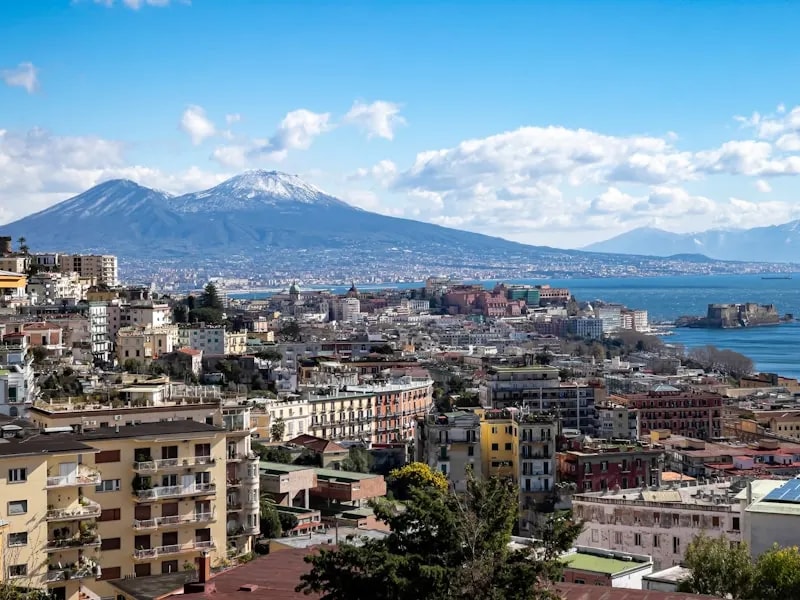
Naples is how you do Italy on a budget. Italy isn't cheap, but Naples — chaotic, intense, gloriously unpolished — is its most affordable major city, and it happens to be the birthplace of pizza. A proper Neapolitan margherita from a historic pizzeria costs €5–7, a coffee at the bar is €1.20, street food (a fried pizza, a sfogliatella pastry) is pocket change, and a central room runs €75–110. Add the layered chaos of the historic center (a UNESCO site), the archaeological treasures, and a location that's the gateway to Pompeii, the Amalfi Coast, and Capri, and it's the best-value base in Italy.
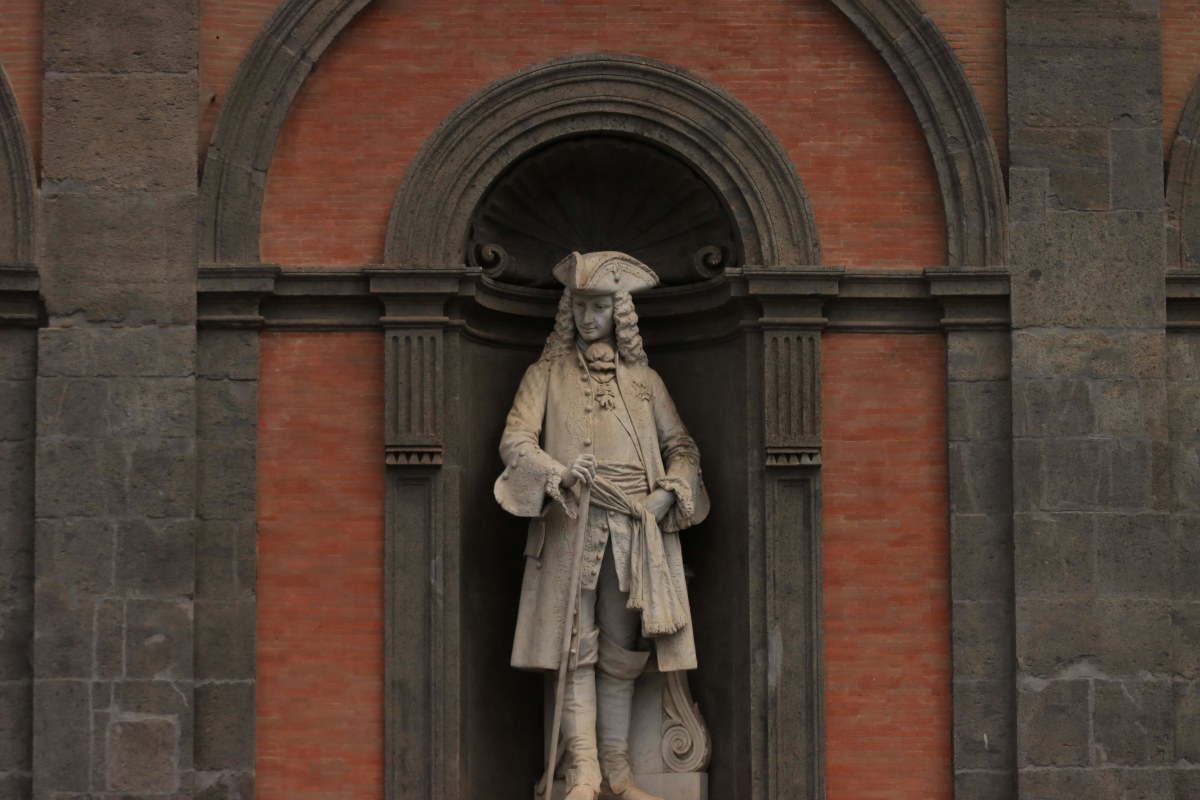
The catch is real: Naples is intense and rough-edged — heavy traffic, petty theft to watch for, and a grittiness that some travelers love and others find overwhelming. Keep your wits and your bag close, and the reward is the most authentic, best-value slice of Italy you can find.
8. Valencia, Spain — Cheap Spanish Sun
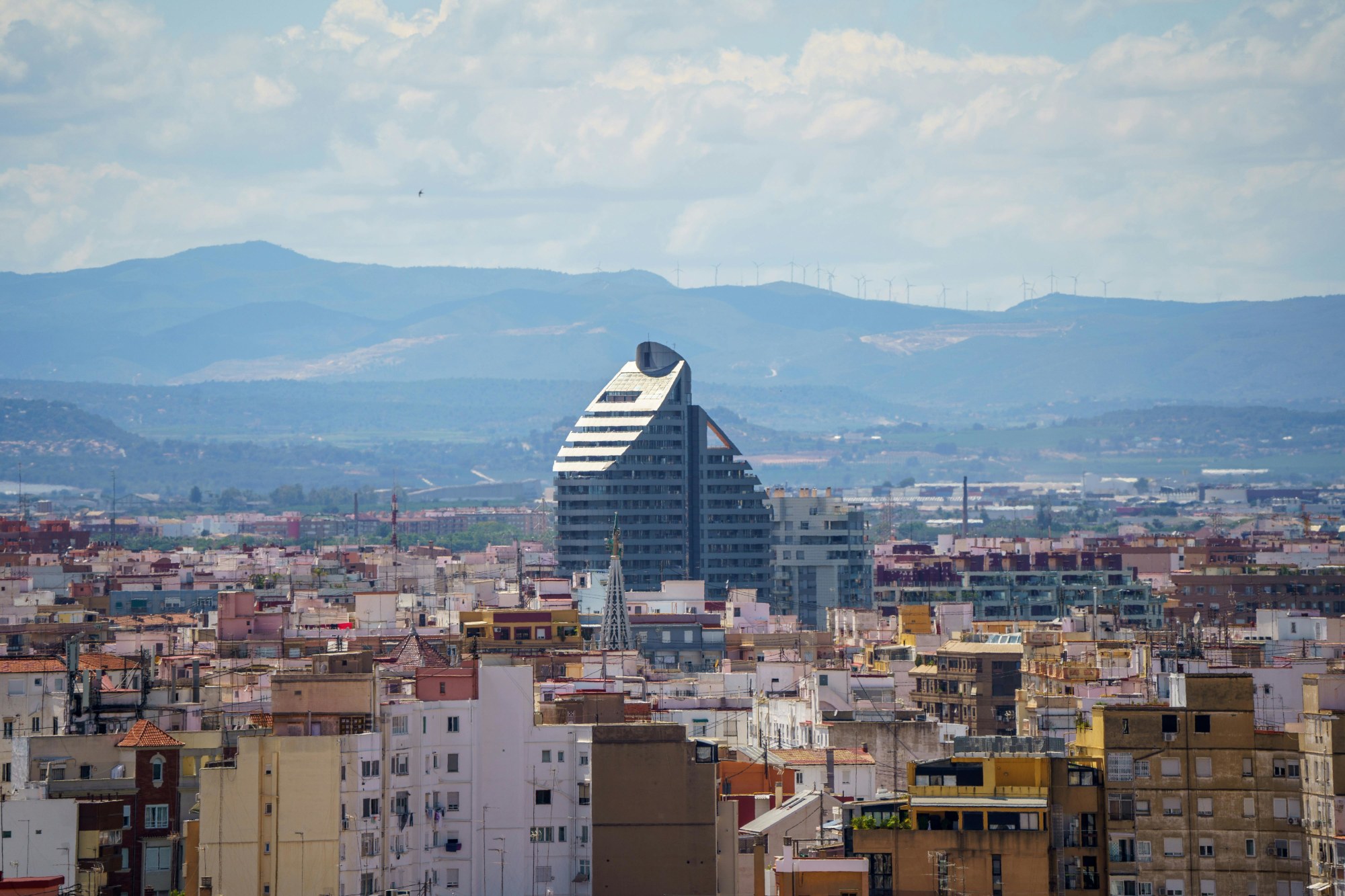
Valencia is the value alternative to pricier Barcelona and Madrid — Spain's third city, on the Mediterranean, with a beautiful old town, a city beach, the futuristic City of Arts and Sciences, and the birthplace of paella (eat it at lunch, by the sea, as locals do). It's noticeably cheaper than Barcelona: a menú del día (three-course set lunch) is €12–15, a caña of beer €2–3, a central room €80–110. You get Spanish sun, food, and architecture, plus a beach, without Barcelona's crowds and prices.

How to Keep It Cheap (Anywhere)
Eat where locals do, a few streets back from the main square — the markup on the famous plaza can be 2–3×. Have your big meal at lunch (the set 'menu of the day' is the best value in Southern Europe). Use trains and intercity buses over flights for short hops. Travel in shoulder season (April–May, September–October) for lower prices and thinner crowds. And in non-euro countries (Serbia, Poland, Hungary), always pay in the local currency and decline the card machine's 'convert to your currency' offer — it's a bad rate.
| If you want… | Go to… |
|---|---|
| The absolute cheapest | Belgrade or Kraków |
| Cheap + genuinely beautiful | Kraków or Budapest |
| Cheap + uncrowded | Vilnius or Belgrade |
| Best value in Western Europe | Porto |
| Cheap ancient history | Athens |
| Cheap Italy / cheap Spain | Naples / Valencia |