Hong Kong 🌦️ 26°C · Now
Oct-Apr best — cool dry season
Hong Kong 🌦️ 26°C · Now
Oct-Apr best — cool dry season Hong Kong
Hong Kong

Hong Kong at a glance
As of 2026, Hong Kong travel is best in Oct, Nov, Dec, Mar, Apr, from about $100/day (budget, ex-flights), with a 3-day itinerary. Top sight: Victoria Peak (Peak Tram).
$100+
Budget tier · excl. flights
From major hubs
HKG (Chek Lap Kok)
Visa-free 90 days
For most Western passports
$1 ≈ HK$7.83
HKD · indicative rate
Oct, Nov, Dec, Mar, Apr
Currently Jun
Humid subtropical (cool dry winter
Now 🌦️ 26°C
01:23
HKT (UTC+8)
Cantonese + English
both official
Why visit Hong Kong?
Hong Kong is the world's most vertical city — 7.5 million people on 1,108 km² with 9,000+ skyscrapers, the highest building density on Earth. British colonial heritage (1841-1997), Cantonese tradition, and ultramodern finance combine into a city unlike any other in Asia.
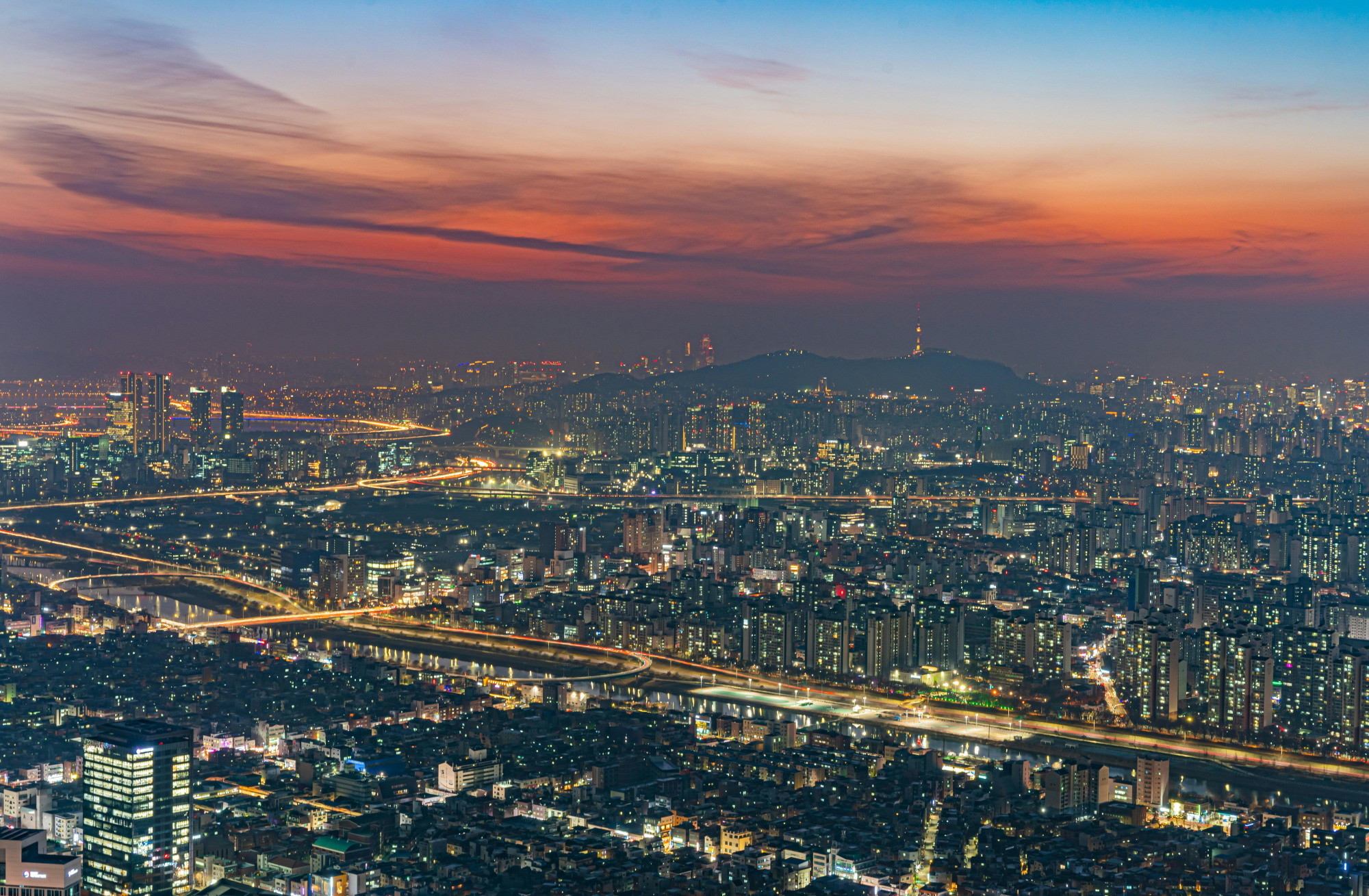
Victoria Peak (552m) is the iconic photo location — the Peak Tram has run since 1888, climbing the steep mountain to the Peak Tower observation deck. Sky Terrace 428 (the highest observation, 428m above sea level) gives 360° views over Victoria Harbour and into mainland China. The view at sunset, with the city lighting up below, is genuinely one of the world's great urban panoramas.
The Star Ferry has crossed Victoria Harbour since 1888 — HK$3.20 / $0.41 for the upper deck, 8 minutes from Central to Tsim Sha Tsui. The cheapest tourist activity in any major city. The Symphony of Lights show (8 PM nightly, free) has 40+ buildings synchronized with music — best viewed from Tsim Sha Tsui Avenue of Stars.
Lantau Island has the Big Buddha (Tian Tan Buddha) — 34m bronze statue at Po Lin Monastery, accessed by Ngong Ping 360 cable car (25-minute scenic ride, $35). Combined with Tai O fishing village (stilt houses) makes a full Lantau day trip.
Dim sum is the quintessential Hong Kong food experience. Tim Ho Wan started as a Sham Shui Po hole-in-the-wall and became the world's cheapest Michelin-starred restaurant — pork buns at $4 are the must-try. Yum Cha (the breakfast/lunch dim sum tradition) at proper Cantonese restaurants like Lin Heung Tea House is pushcart service that's disappearing rapidly.
For street food, Mong Kok is the destination. Goldfish Market, Flower Market, Sneaker Street are all in the same neighborhood. Temple Street Night Market (opens 6 PM) has fortune tellers and dai pai dong (open-air food stalls). Kowloon side overall is more authentic Cantonese than Hong Kong Island side.
The MTR (Mass Transit Railway) is the world's most efficient — 11 lines, 99% on-time rate, runs 6 AM-1 AM. Single ride HK$5-15 / $0.65-2 by distance. Octopus Card (HK$50 / $6.40 deposit, refundable) for tap-to-pay including buses, ferries, convenience stores. Apple Pay also works at MTR gates.
Day trips: Macau is the gambling capital and former Portuguese colony — 1 hour by ferry from Hong Kong, no separate visa for most passports. Day tour $110 includes ferry + city tour + casino visit. Mainland China day trip to Shenzhen (high-speed rail 19 minutes from Hung Hom) is possible but requires Chinese visa (separate process).
Practical realities. Hong Kong is hot and humid May-September (28-32°C / 82-90°F with 80%+ humidity). Bring light moisture-wicking clothes. Air conditioning is intense indoors — light cardigan recommended. Tipping not customary (10% service charge added at most restaurants).
Safety: Hong Kong is among Asia's safest cities. Pickpocketing very rare. Public transport runs late safely. Solo female travelers report no issues.
Bottom line: Hong Kong is one of the most efficient first-time-in-Asia cities — English-speaking, ultra-safe, world-class infrastructure, and exceptional food. Three days hits the bucket list. Use it as a Greater China gateway or layover stop.
Things to do in Hong Kong
Iconic Skyline
Victoria Peak (Peak Tram)
552m mountain with iconic Hong Kong panorama. The Peak Tram (since 1888) climbs steeply to the Peak Tower; Sky Terrace 428 is the highest observation point at 428m above sea level.
Star Ferry
Iconic green-and-white ferry across Victoria Harbour since 1888. 8-minute ride from Central to Tsim Sha Tsui — cheapest cross-harbor experience.
Symphony of Lights
Free nightly multimedia light show with 40+ Hong Kong buildings synchronized with music. Best viewed from Tsim Sha Tsui Avenue of Stars or Star Ferry pier.
Sky100 (ICC 484m Observatory)
100th-floor observation deck of the International Commerce Centre — Hong Kong's tallest building at 484m. The Kowloon-side counterpart to Victoria Peak, offering 360° views back across Victoria Harbour to Hong Kong Island and out to the New Territories. Climate-controlled (a real plus in summer humidity) and rarely as crowded as the Peak.
Day Trips & Outlying Islands
Big Buddha (Tian Tan Buddha) + Ngong Ping 360
34m bronze Buddha statue on Lantau Island at Po Lin Monastery — completed 1993. Climb 268 steps to the base. The Ngong Ping 360 cable car from Tung Chung is a 25-minute scenic ride over forested mountains and the South China Sea.
Tai O Fishing Village
Traditional fishing village on Lantau Island's western tip with stilt houses (pang uk) built over water — the last surviving Tanka boat-people community. Boat tours through the village ($5) often spot Chinese white dolphins (pink dolphins) in the surrounding waters.
Cheung Chau Island Day Trip
Car-free outlying island 1 hour by ferry from Central — beaches, seafood lunch, and the unique annual Cheung Chau Bun Festival (May). Rent a bike at the ferry terminal to circle the small island (4 km², 1-hour loop) past Tung Wan Beach and the pirate cave of Cheung Po Tsai.
Markets & Streets
Mong Kok Markets
Hong Kong's most authentic neighborhood — Ladies' Market (women's fashion), Goldfish Market (literally 100s of fish vendors), Flower Market, Sneaker Street. All within walking distance.
Temple Street Night Market
Yau Ma Tei night market with food stalls, fortune tellers, antiques. Open 6 PM-12 AM nightly.
Stanley Market + Stanley Bay
Seaside village on Hong Kong Island's south coast — the colonial-era expat retreat that became the Sunday-afternoon market and waterfront-restaurant destination. Stanley Market is the open-air bazaar for souvenirs and silk goods; the waterfront promenade has the British-style pubs (Smugglers Inn, The Boathouse) and the Murray House (1844 colonial barracks relocated brick-by-brick to Stanley in 2001).
Heritage Temples & Hiking
Wong Tai Sin Temple
Hong Kong's most-visited Taoist temple (founded 1921) — famous for the kau cim fortune-telling sticks. Visitors shake a numbered bamboo stick from a cup and have it interpreted by one of the temple's resident fortune tellers. The complex includes Confucian and Buddhist halls, the Good Wish Garden, and the iconic Nine-Dragon Wall.
Chi Lin Nunnery + Nan Lian Garden
Tang Dynasty-style Buddhist nunnery built without a single nail (interlocking timber construction in the 7th-century tradition), reconstructed 1998. The adjacent Nan Lian Garden is a 3.5-hectare classical Chinese garden — lotus ponds, pine trees, and the Pavilion of Absolute Perfection (a gold-leaf pavilion over the pond). Both free, both spectacular contrasts to the high-rise skyline outside.
Dragon's Back Hike
Hong Kong Island's most famous urban hike — 8.5 km ridge trail from Shek O Road through the Wan Cham Shan ridge down to Big Wave Bay. Voted 'Asia's Best Urban Hike' by Time magazine (2004). The undulating ridge gives 360° views over the South China Sea, Stanley, and Shek O village — the unexpectedly wild side of Hong Kong.
Travel cost
Per person, per day (excludes flights)
Hostel + local food + public transport
$100
≈ HK$783.00 HKD
Per person / day (excl. flights)
📅 Total cost by trip duration (incl. flights)
3 days
$420
≈ HK$3288.60
5 days
$620
≈ HK$4854.60
7 days
$820
≈ HK$6420.60
Flight estimate: $700-1,400 from US/EU; $200-500 from Asia (HKG direct from major hubs) (round-trip estimate)
Monthly weather
Currently in Hong Kong: 🌦️ 26°C
Hong Kong now (Jun)
High 30°C / Low 26°C· Hot
Jan ⛅
High 18°C / Low 14°C
Mild
Feb ⛅
High 18°C / Low 14°C
Mild
Mar 🌤️
High 21°C / Low 17°C
Mild
★ Best time to visit
Apr ☀️
High 25°C / Low 21°C
Pleasant
★ Best time to visit
May ☀️
High 28°C / Low 24°C
Hot
Jun 🔥
High 30°C / Low 26°C
Hot
Jul 🔥
High 31°C / Low 26°C
Hot
Aug 🔥
High 31°C / Low 26°C
Hot
Sep 🔥
High 30°C / Low 25°C
Hot
Oct ☀️
High 28°C / Low 23°C
Hot
★ Best time to visit
Nov ☀️
High 25°C / Low 19°C
Pleasant
★ Best time to visit
Dec 🌤️
High 20°C / Low 15°C
Mild
★ Best time to visit
Jan
⛅
18°
14°
Mild
Feb
⛅
18°
14°
Mild
Mar
🌤️
21°
17°
Mild
★Best
Apr
☀️
25°
21°
Pleasant
★Best
May
☀️
28°
24°
Hot
Jun
🔥
30°
26°
Hot
NOW
Jul
🔥
31°
26°
Hot
Aug
🔥
31°
26°
Hot
Sep
🔥
30°
25°
Hot
Oct
☀️
28°
23°
Hot
★Best
Nov
☀️
25°
19°
Pleasant
★Best
Dec
🌤️
20°
15°
Mild
★Best
Practical information
Getting there
Getting around
Money & payments
Language
Cultural tips
Money & payment
Currency
Hong Kong Dollar (HKD, HK$). HK$1 ≈ $0.13 (April 2026).
Card acceptance
Universal — Visa/Mastercard at all hotels, restaurants, MTR. Cash for street vendors.
Tipping
10% service charge added at most restaurants. No additional tipping expected. Round-up at taxis appreciated.
ATM
HSBC and Standard Chartered ATMs free for foreign cards. Avoid airport currency counters.
Recommended itinerary
Hong Kong 3-day route
Day 1 Hong Kong Island Iconic
09:00
Victoria Peak Tram
Pre-book skip-the-line; views over Victoria Harbour
🎫 20% off — Book lowest price11:30
Sky Terrace 428 + lunch at Peak Galleria
Highest observation in Hong Kong (428m)
13:30
Mid-Levels Escalator + SoHo
World's longest outdoor covered escalator + walk through restaurant district
16:00
Star Ferry to Tsim Sha Tsui
$0.50 ride across Victoria Harbour, 8 minutes
17:00
Avenue of Stars + Symphony of Lights (8 PM)
Free nightly light show on harbor
20:30
Dim sum + dinner in Tsim Sha Tsui
Tim Ho Wan or Yum Cha
Day 2 Markets & Mong Kok
09:00
Wong Tai Sin Temple
Active Taoist temple, free entry, fortune telling
11:00
Mong Kok Ladies' Market
Bargain shopping for clothes, accessories, souvenirs
13:00
Lunch at Australia Dairy Company
Iconic 24-hour cafe — scrambled eggs, milk pudding
14:30
Goldfish Market + Flower Market
Specialty markets in Mong Kok
17:00
Temple Street Night Market (opens 18:00)
Street food + hawker stalls + fortune tellers
20:00
Dai pai dong dinner
Authentic open-air street food restaurant
Day 3 Lantau Island Day Trip
09:00
Ngong Ping 360 cable car to Big Buddha
25-minute scenic cable car to Tian Tan Buddha
🎫 12% off — Book lowest price10:30
Tian Tan Buddha + Po Lin Monastery
34m bronze Buddha statue + free monastery entry
13:00
Vegetarian lunch at Po Lin Monastery
Traditional Buddhist set meal
15:00
Tai O fishing village
Stilt houses, dolphin spotting tours
18:00
Hong Kong Disneyland or return to city
Optional Disneyland evening + fireworks
Where to stay in Hong Kong — neighborhood breakdown
Hong Kong splits across three geographic areas: Hong Kong Island (Central, Wan Chai, Causeway Bay — the financial district, the iconic skyline, the British colonial-administrative heart), Kowloon (Tsim Sha Tsui, Mong Kok, Yau Ma Tei — markets, cheaper, denser, more local Cantonese), and the New Territories plus Outlying Islands (Lantau, Lamma — quieter, beach-adjacent, the airport's there). First-time visitors usually default to TST (Tsim Sha Tsui) on the Kowloon waterfront for the iconic skyline view back at Hong Kong Island, or Causeway Bay on the island for the central shopping and food access. Below is the honest breakdown of the smarter options for different traveler types.
Kowloon waterfront. The skyline view across to Hong Kong Island (the canonical Hong Kong photograph), the Star Ferry pier (operating since 1888), the Avenue of Stars (the Hong Kong cinema walk-of-fame), and the iconic luxury hotel cluster — The Peninsula Hong Kong (opened 1928, the original art-deco grand hotel of Asia, with the Lobby Lounge afternoon tea tradition), Kowloon Shangri-La (1981), and the InterContinental Hong Kong (2025 reopening as Regent Hong Kong). Hotels HK$1,500–4,000/night; The Peninsula at HK$8,000+ is the iconic stay. Best for: first-time visitors, photographers, anyone who wants the iconic skyline as their daily view.
Hong Kong Island's main shopping and nightlife zone. Times Square mall (the original 1990s tower-mall complex), Sogo (the Japanese department store anchor since 1985), dense with restaurants, multiple MTR stations including the Causeway Bay-to-Wan Chai walking corridor. Hotels HK$900–2,500/night, 1-bed condos HK$18,000–28,000/month. Best for: first-time visitors who want the central experience, business travelers, foodies, anyone who wants to walk out their door into the Hong Kong island energy.
Hong Kong Island's gentrified low-rise zone, one MTR stop west of Central. The dried-seafood and herbal-medicine shops on Des Voeux Road West (the smell is part of the deal — Sheung Wan still operates as a working trade district for traditional Chinese medicine), independent coffee anchored at The Cupping Room, the city's best speakeasies along Hollywood Road, the Man Mo Temple (1847, dedicated to the literature god and the warrior god). Boutique hotels HK$1,200–2,500/night, 1-bed condos HK$15,000–22,000/month. Best for: returning travelers, digital nomads, food and design types.
The gentrified former village 10 minutes' walk from Causeway Bay. The annual Tai Hang Fire Dragon Dance (officially recognized as a National Intangible Cultural Heritage of China since 2011, performed every Mid-Autumn Festival since 1880 by 300 local performers carrying a 67-meter dragon made of straw and incense sticks) is the cultural anchor. Quiet streets, 20+ specialty coffee shops along Sun Chun Street and the surrounding lanes, low-rise architecture that survived the 1980s redevelopment wave. Hotels are scarce; mostly Airbnb at HK$15,000–20,000/month. Best for: 30+ day stays, returning visitors, anyone wanting Hong Kong without 24/7 city stimulation.
Kowloon's most local and densest district — Mong Kok was once recorded by the Guinness World Records as having the highest population density on Earth at 130,000 people per km². Ladies' Market on Tung Choi Street, Temple Street Night Market in Yau Ma Tei (operating since the 1920s, the canonical street-food-and-fortune-teller scene), Goldfish Street's aquarium shops, Sneaker Street, the famous Mong Kok pedestrian zone. Hotels HK$700–1,800/night — significantly cheaper than HK Island. Best for: budget travelers, first-time visitors who want local energy, market-focused itineraries, photographers chasing the dense neon-and-signage Hong Kong shot.
The financial district. The iconic Hong Kong Island skyline backdrop, the Mid-Levels Escalator (the world's longest outdoor covered escalator at 800 meters, opened 1993), the hidden bars on Wyndham Street and the Lan Kwai Fong nightlife strip just behind, the Mandarin Oriental Hong Kong (opened 1963, the legacy luxury that hosted every visiting head of state from the 1970s through the 2010s). Hotels HK$2,000–6,000/night; Mandarin Oriental at HK$5,000+ is the legacy luxury. Best for: business travelers, anniversary stays, those who specifically want the iconic 'Hong Kong skyline' base.
The largest of Hong Kong's outlying islands, 35 minutes by MTR from Central or 30 minutes by ferry. The Tian Tan Buddha (the 34-meter seated bronze Buddha completed 1993, the world's tallest seated Buddha at the time, accessible via the Ngong Ping 360 cable car since 2006), Po Lin Monastery (1906), Tai O fishing village (the stilt houses on the western tip), Discovery Bay's expat-residential calm. Auberge Discovery Bay HK$1,500–3,000/night. Best for: families with kids, slow-stay travelers, those wanting a calmer base with beach access.
The third-largest outlying island, 30 minutes by ferry from Central. Quieter than Lantau, no cars allowed (vehicle ban since the 1980s, only emergency and small village vehicles permitted), beaches at Hung Shing Yeh and Lo So Shing, the Lamma Family Trail hiking route (4 km, 90 minutes), the Yung Shue Wan seafood village. Hostels and small hotels HK$400–800/night. Best for: 1–2 night escape from city, hikers, returning visitors, those wanting the calmer side of Hong Kong away from the MTR-corridor density.
Hong Kong travel essentials checklist
Hong Kong is one of the easier Asian cities to navigate. Visa entry is automated for most passports, English is widely spoken (a colonial-British holdover that's increasingly mixed with Mandarin since 1997), the MTR is signed in English first and Chinese second, and Octopus card via Apple Pay handles 99% of transit. The gotchas are mostly about the small apartment dimensions and the May–September summer heat.
- □ Visa-free 90 days for US/UK/EU/CA/AU/NZ/JP/SG/TW and most Western countries.
- □ Passport must be valid 6+ months. Strictly enforced at HKG airport and the land borders to Mainland China.
- □ No vaccine requirements as of May 2026.
- □ Onward ticket sometimes requested at immigration — keep a print or screenshot.
- □ Travel insurance recommended; HK private hospitals (Matilda International, Hong Kong Adventist) are world-class but expensive at HK$2,000+ for a walk-in consultation.
- □ Cards work everywhere; HKD primary but USD widely accepted at hotels and the upmarket restaurants.
- □ Octopus card via Apple Pay/Google Pay for transit + 7-Eleven + Starbucks + the Star Ferry + everywhere else.
- □ Cash useful only at small markets (the wet markets on Graham Street and at Sham Shui Po), traditional Cantonese restaurants, and dai pai dong street stalls — keep HK$200 ($25).
- □ Wise and Revolut multi-currency cards beat home-country cards on HKD FX.
- □ Tipping: 10% service charge added at sit-down restaurants — that's the tip. Round up at cha chaan teng. Tour guides expect HK$50–100 per day.
- □ China Mobile HK, csl, or 3HK tourist SIM at airport: HK$80–150 ($10–20) for 30 days, 30GB.
- □ eSIM via Airalo: $20 for 30 days.
- □ Free Wi-Fi at all MTR stations, malls, McDonald's, Starbucks, and the public 'Wi-Fi.HK' network at major tourist sights.
- □ WhatsApp the default; WeChat necessary if traveling onward to Mainland China.
- □ 5G is universal on Hong Kong Island and Kowloon.
- □ Lightweight breathable for 90% of the year (May–October is humid).
- □ Layers for November–March cooler stretch (12–20°C average).
- □ Compact umbrella for daily afternoon storms in May–September and the occasional Typhoon Signal 3 day.
- □ Hong Kong public spaces run extremely cold A/C — 18–20°C is standard in malls and offices, light jacket essential.
- □ Type G plug adapter (UK-style 3-pin, the British colonial holdover that survived 1997).
- □ Tap water is technically potable but most locals filter or boil — the older buildings have lead pipework that hasn't been fully replaced.
- □ Pharmacies (Mannings and Watsons, the two dominant chains) carry English-friendly basics.
- □ Common scams: 'Closed shop' tour pushers in TST trying to redirect you to gem shops, broken-meter taxi runs from the airport.
- □ Use the right side of escalators — UK colonial standard, opposite of NYC.
- □ Avoid pointing at people, especially elders. Two-handed business card etiquette is appreciated in business contexts.
Where to stay
Click each district to compare hotel deals
Central / Admiralty
Business district + IFC Mall + Peak Tram. Most central for first-timers; luxury hotels concentration.
See hotels in this area
Tsim Sha Tsui (Kowloon)
Across Victoria Harbour from Central. Avenue of Stars, Star Ferry pier, Symphony of Lights view. Mid-range hotel hub.
See hotels in this area
Causeway Bay
Shopping and restaurants. Times Square mall, dense neon. Best for evening atmosphere.
See hotels in this area
Mong Kok
Authentic Cantonese street life — Ladies Market, Goldfish Market, dai pai dong (street food). Cheaper hotels.
See hotels in this area
SoHo (Central uphill)
Hip restaurant district uphill from Central via Mid-Levels Escalator. Best for foodies and nightlife.
See hotels in this area
Stanley
Beach village on south side of HK Island. Stanley Market, beachfront pubs. Half-day trip from city.
See hotels in this area
Hong Kong hotel price comparison
Compare Booking.com, Expedia, Hotels.com prices in one place
* Centered on Central / Admiralty — the most hotel-dense area in Hong Kong
Top tours & activities in Hong Kong
Top-rated by travelers
Frequently asked questions
Most common questions from travelers to Hong Kong
Q How much does a day in Hong Kong cost?
Budget travelers spend $100/day with Mong Kok hostel and dim sum meals. Mid-range $230/day with 4-star Tsim Sha Tsui hotel and table-service. Luxury $620+ for Mandarin Oriental and Michelin dining. Hong Kong is roughly 30% pricier than Bangkok, similar to Singapore.
Q How many days do I need in Hong Kong?
3 days for major sights. Day 1: Victoria Peak + Star Ferry + Symphony of Lights. Day 2: Mong Kok markets + Temple Street + dim sum. Day 3: Lantau Big Buddha + Tai O. 5+ days for Macau day trip + beaches (Stanley, Repulse Bay).
Q When is the best time to visit Hong Kong?
October-April is cool dry season — temperatures 14-25°C / 57-77°F, low humidity. May-September is hot humid summer (28-32°C / 82-90°F) with afternoon thunderstorms. Typhoon season July-September can disrupt travel. Chinese New Year (varies — late Jan or Feb) sees major shopping but many small businesses close.
Q Do I need a separate visa for Hong Kong?
Hong Kong has its own immigration (separate from mainland China). Visa-free 90 days for US, UK, EU, Canada, Australia, NZ, Japan, Korea passports. Mainland China visa is COMPLETELY SEPARATE — needed for Shenzhen day trip. Apply through Chinese consulate (60-180 day processing).
Q Is Hong Kong safe for tourists?
Among Asia's safest cities. Pickpocketing very rare. MTR is spotless and well-policed. Solo female travelers report no issues. Main caution: bicycle traffic on shared sidewalks. Health: bottled water recommended (tap water technically safe but heavily chlorinated).
Q Does English work in Hong Kong?
Yes — English is official. Street signs, MTR announcements, restaurant menus all bilingual. Younger generation universally fluent. Older locals less so but Google Translate handles all situations.
Q What food is Hong Kong famous for?
Dim sum (yum cha), Cantonese roast goose, wonton noodles, milk tea, egg tarts, beef brisket noodles. Iconic spots: Tim Ho Wan (cheapest Michelin-starred dim sum, $4-8), Australia Dairy Company (24-hour cafe), Joy Hing Roasted Meats (Cantonese BBQ), Mak's Noodle (wonton).
Q How does the MTR work in Hong Kong?
11 lines, runs 6 AM-1 AM. Single fare HK$5-15 / $0.65-2 by distance. Octopus Card (HK$50 deposit refundable) — tap on, tap off, also works on buses, ferries, convenience stores. Apple Pay works at MTR gates. Trains every 2-5 minutes.

TripPick
Data-driven travel guide
Weather and exchange rates on this page are fetched live from external APIs; cost and itinerary data are verified periodically against local sources.
Weather
Open-Meteo API
Exchange
ECB rates
Costs
Local price data
Itineraries
Traveler reviews
Book your Hong Kong trip
Compare flights, hotels, and tours all in one place
Prices via Skyscanner, Booking.com, GetYourGuide
Go deeper into Hong Kong
Click each topic for the dedicated guide
Similar to Hong Kong
Same region, similar climate and budget