As of 2026, the must-see places in Yokohama include Landmark Tower Sky Garden (69F, 273m), Cosmo World Ferris Wheel (Cosmo Clock 21), Cup Noodles Museum + My Cup Noodles Workshop. See highlights, time needed and tips for each below.
Yokohama blends historic landmarks, natural scenery, and local food experiences. We've organized 22 attractions across 6 categories. Each attraction card includes entry fees, opening hours, and local tips so you can plan straight from the page. Use the quick links below to jump to your favorite category.
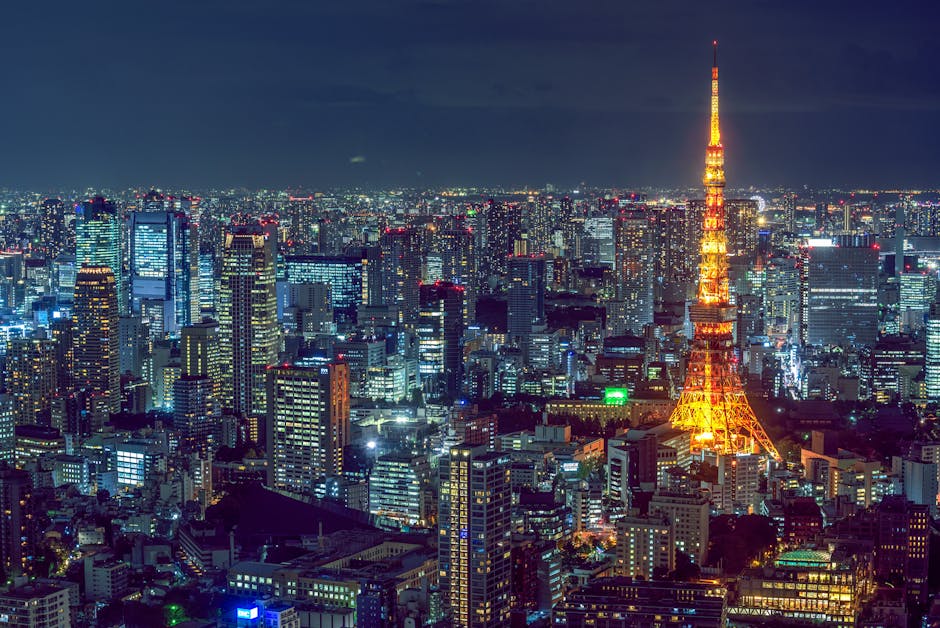
Completed in 1993 as Japan's tallest building (296 m to roof, held the record until Abeno Harukas in Osaka opened in 2014). The 69th-floor Sky Garden observation deck at 273 m is reached by Japan's second-fastest elevator (750 m per minute, 40 seconds to the top). The view spans the entire Yokohama Bay to the east, the Minato Mirai pier and Cosmo World ferris wheel directly below, and — on clear winter mornings — Mt. Fuji on the western horizon. The deck is glass-walled 360°, and the south-side cafe lets you sit with a drink for the full sunset. Much less crowded than Tokyo Tower, Skytree, or Shibuya Sky.
Visit Info
Price$7 / ¥1,000 adult; $5 / ¥800 student
Hours10:00-21:00 (last entry 20:30); weekends + holidays until 22:00
Time30-45 minutes
Local Tip
Clear-air winter weekday mornings (December-February, 09:00-11:00) are best for Mt. Fuji visibility — closer to 50% chance, vs near zero in summer humidity. Combine with Sky Cafe on the south side ($8-12 drinks) for an hour at sunset. The Royal Park Hotel occupies floors 52-67 of the same building, so hotel guests can take the elevator straight down without re-buying tickets the next morning.
2
Cosmo World Ferris Wheel (Cosmo Clock 21)
112.5 m ferris wheel with the giant LED clock face that has become the visual signature of Minato Mirai. Built in 1989 for the Yokohama Exotic Showcase, it was the world's tallest ferris wheel at opening and is still the largest with a clock face. The 15-minute rotation gives you a slow 360° pan over the Akarenga warehouses, Landmark Tower, and the harbor. Sunset rides (17:30-18:30 in summer, 16:30-17:30 in winter) are the canonical photo timing, with the LED color sequence shifting from blue through orange to violet across one rotation.
Visit Info
Price$7 / ¥1,000 per ride
Hours11:00-22:00 (Fri-Sat-Sun until 23:00); closed Thursdays
Time15 minutes for the ride, 30-45 minutes total including queue
Local Tip
Saturday-Sunday + holidays see 30-60 minute queues 18:00-20:00. Friday evenings or weekday afternoons have almost no wait. The free LED clock-and-light display can be viewed from the adjacent Kishamichi Promenade pedestrian bridge — same iconic photo angle, no ticket needed. Couples cars (small enclosed gondolas, regular $7) book up first.
3
Cup Noodles Museum + My Cup Noodles Workshop
Opened 2011 by Nissin Foods, this is the canonical family-friendly Yokohama attraction. The ground-floor museum tells the story of Momofuku Ando (Nissin founder, who invented instant noodles in 1958 and Cup Noodles in 1971) and includes a wall of every Cup Noodles variety ever sold in Japan. The headline experience is the My Cup Noodles Factory ($4 extra, 30 minutes) where you decorate your own cup, choose one of four soup bases (original, curry, seafood, chili tomato), pick four toppings from twelve options, and watch the factory machine vacuum-seal the lid before you carry it home as a real shelf-stable Cup Noodles. The third-floor Noodles Bazaar food court serves eight types of Asian noodles in $4-6 mini-bowls (the model is 'taste the noodle dishes that inspired Cup Noodles around the world').
Visit Info
Price$4 / ¥500 museum entry; $4 / ¥500 Cup Noodles Factory; $3-6 Noodles Bazaar dishes
My Cup Noodles slots fill up by 10:30 on weekends + holidays. Book a Cup Noodles slot online at cupnoodles-museum.jp before arrival (slots open 1 month ahead). The decorated Cup Noodles can be brought back through Japan customs and home — they're factory-sealed and shelf-stable for 6 months. The food court has high chairs and is genuinely the best kid-friendly lunch option in Minato Mirai.
4
Akarenga Red Brick Warehouse
Two side-by-side brick warehouses built between 1907-1913 by the Meiji government as bonded customs warehouses for the port. They survived the 1923 Kanto earthquake, US Occupation use after 1945, and 50 years of postwar industrial decline before being renovated and reopened as a shopping + dining + event complex in 2002. Today the No. 1 building houses craft and art shops (60+ tenants) and the No. 2 building has restaurants, beer halls, and a top-floor open-air event space. The plaza between the two buildings hosts a year-round event calendar: Yokohama Oktoberfest (October), Christmas Market (mid-November to Christmas), Strawberry Festival (February), Yokohama Frühlings Fest (German spring beer fest, May).
Visit Info
PriceFree entry; restaurants and shops at standard prices
The harbor-facing back terrace (between the two buildings and the water) is the canonical Minato Mirai photo spot — Landmark Tower + Cosmo World ferris wheel + Bay Bridge framed together at twilight. Christmas Market (mid-Nov to 25 Dec) is the year's busiest period — 4-hour queues for the entry gate on weekend evenings; weekday lunchtime is fine. Bashamichi Taproom (No. 2 building) is the best craft beer stop.
Yokohama Chinatown
4 spots
1
Yokohama Chinatown (Chukagai) — Asia's largest Chinatown
0.2 km² of densely packed restaurants and shops bounded by five color-painted Chinese gates — Zenrinmon (south), Choyomon (east), Enheimon (west), Genseimon (north), and the main Paifang at Yamashita-cho. Founded in 1859 by Cantonese traders attached to Western firms that opened in Yokohama under the new treaty system, the neighborhood now has 600+ restaurants by Yokohama Chinatown Development Association count — the largest concentration in Asia by venue density. Pay attention to closing times: most restaurants are sit-down lunch (11:00-14:30) + dinner (17:00-21:00) only, and the streets thin out by 22:00 on weeknights. Saturday-Sunday peaks 11:30-14:00 and 18:00-20:00 with 30-90 minute queues at the famous shops.
Visit Info
PriceFree to walk; restaurants $10-50 per person
HoursStreets 24h; restaurants 11:00-21:00 typical
Time2-3 hours including a meal
Local Tip
Cash and major cards both work at most restaurants, but smaller standing-counter shops are cash-only. Lunch sets (11:00-14:00) are 30-40% cheaper than the same restaurants' dinner menus — Manchinro lunch from $20, dinner from $30. Mid-October is the Double Tenth Festival with lion dances + free dim sum tastings on weekends. Avoid the touristy 'all-you-can-eat' buffets advertised in English — they are explicitly worse than the named heritage restaurants at similar prices.
2
Kanteibyo Temple (1873 Guandi Temple)
The Chinese temple at the heart of Chinatown, dedicated to Guandi (the 2nd-century general venerated as the god of war, business prosperity, and brotherhood in Chinese folk religion). The original 1873 structure was destroyed in the 1923 Great Kanto Earthquake, rebuilt 1925, destroyed again by 1945 US firebombing, rebuilt 1946, destroyed once more by a 1986 fire, and rebuilt for the fourth time in 1990 — the current structure. The continual rebuilding is itself a piece of Chinatown's story. The temple is small (one main hall + a side prayer pavilion) but the elaborate dragon-roof carvings and the red-and-gold exterior are worth a 15-minute photo stop.
Visit Info
PriceFree entry; $5 / ¥500 for incense + fortune set
Hours9:00-19:00 daily
Time20-30 minutes
Local Tip
Shoes stay on (this is Chinese folk religion, not Japanese Buddhist or Shinto practice). The fortune-stick ritual ($5 set, English instructions on the wall) is the visitor-friendly cultural experience. Tuesday-Wednesday mornings are quietest. The main hall is right beside the Suzakumon south gate — easy to combine with a Chinatown lunch loop.
3
Manchinro Honten (1892 dim sum + Cantonese)
The oldest restaurant in Yokohama Chinatown — founded 1892 by Cantonese chef Hiraryu Hanjun. Three generations of the same family ran the kitchen until corporate succession in 2008. The main dining room is two-storey with carved-wood interiors transported from Hong Kong in 1955 after the 1923 + 1945 destructions. The signature dishes are Manchinro Shumai (steamed pork-and-shrimp dumplings, $8/3 pieces), Cantonese Peking Duck (whole bird, $40-60, the better-known sister restaurant Manchinro Tenshinkai does duck specifically), and 8-course Cantonese banquet ($60-80 per person). The 14:00-16:00 afternoon tea set ($25, dim sum + Chinese tea + dessert) is the value entry point.
Visit Info
PriceLunch from $20; dinner $40-80; afternoon tea $25
Hours11:00-15:00 + 17:00-21:00 daily
Time1.5-2 hours
Local Tip
Reservations strongly recommended weekends (+81-45-681-4004 or via Tabelog). The afternoon tea slot 14:00-16:00 is the cheapest way to try Manchinro and is much easier to book. Smart casual dress; not strict. Both major cards and Suica/Pasmo work. The afternoon tea is the best non-dim-sum item — the original Chef Hanjun's recipes are still served.
4
Heichinrou (1884 Chinese fine dining)
The second canonical heritage restaurant in Yokohama Chinatown — founded 1884, eight years before Manchinro. The four-storey main building was rebuilt in 1991 to imitate a Beijing courtyard residence. The kitchen focuses on Beijing-style Chinese (the canonical Peking Duck and Beijing-style fried noodles) rather than Manchinro's Cantonese, making them complementary picks rather than direct competitors. Whole Peking Duck $45-65 with 24 hours' notice; 5-course set lunch $30; 8-course banquet $50-70 per person.
Visit Info
PriceLunch from $25; dinner $45-70 per person
Hours11:00-15:00 + 17:00-21:30
Time1.5-2.5 hours
Local Tip
Whole Peking Duck must be pre-ordered 24-48 hours ahead (+81-45-681-3001). Lunch sets are 35-40% cheaper than dinner menus. Cards work; cash also fine. The third-floor private dining rooms have small surcharges for parties of 6+. Located on Choyomon (east gate) side of Chinatown — easy walk to Yamashita Park afterward.
175,000 m² Japanese garden built between 1902 and 1906 by silk magnate Hara Tomitaro (pen name Sankei). The garden is laid out around a series of ponds, with 17 culturally significant buildings relocated from across Japan as set pieces — the most important being the 1457 three-story pagoda from Tomyoji Temple in Kyoto (the oldest building in the garden, a designated Important Cultural Property), a 1623 daimyo's residence transplanted from Kyoto, a 1611 farmhouse from Hida-Takayama, and a tea pavilion (Choshukaku, 1623) designed by the grandson of Sen no Rikyu. The Inner Garden (Uchien) requires the same single ticket and contains the most historic structures; the Outer Garden (Soto-en) is the open landscape with the pagoda. Cherry blossoms peak first week of April; autumn momiji peaks mid-to-late November.
Visit Info
Price$7 / ¥900 adult; $2 / ¥200 child
Hours9:00-17:00 (last entry 16:30); illuminated nights during sakura + momiji peaks until 21:00
Time1.5-2.5 hours
Local Tip
Sakura week (last 10 days of March through first week of April) has Friday-Sunday evening illuminations until 21:00 — the pagoda lit against night sakura is the canonical Yokohama photograph. Avoid Saturday-Sunday in cherry blossom peak (4-hour queues at the gate); aim for Tuesday-Thursday weekday mornings (09:00-11:00). The Tea Pavilion (Choshukaku) offers $7 matcha + wagashi service 10:00-15:00 — a 30-minute cultural break in the middle of the visit. Bus 8/58/99 from Yokohama Station East Exit (35 minutes, ¥220) is the standard transport; allow extra time on weekends.
2
Yamashita Park + Hikawa Maru ocean liner
Yokohama's signature waterfront park, opened in 1930 as Japan's first reclaimed-land waterfront park — created using the rubble from the 1923 Great Kanto Earthquake to fill in part of the harbor. The 700-meter promenade runs north-south facing the bay; the iconic Indian Water Fountain (1939) and the Statue of the Guardian of Water (1960) mark the southern end. The 'Hikawa Maru' ocean liner is permanently moored at the park's center — a 1930 passenger ship that crossed the Pacific 254 times between Yokohama and Seattle, carried Charlie Chaplin on his 1932 visit to Japan, and is now an Important Cultural Property maintained as a museum ($3 entry, 1 hour to tour all 4 decks). Free park access is the bigger draw; sunset 18:00-18:45 in summer is the canonical romantic walk.
Best 17:00-19:00 for sunset over the bay and the Hikawa Maru lit up in the evening. The Marine Tower (1961, 106 m) right beside the park reopened in 2022 after renovation with a glass-floor observation deck ($8). Combine: Sankeien morning + Yamashita Park lunch + Chinatown dinner is a strong half-day pattern. Carriage rides ($30 for 20 minutes, family-friendly) operate from the park's central entrance on weekends.
3
Yamate Bluff — Western residences + Foreign Cemetery
The hillside district immediately south of Chinatown that served as Yokohama's foreign residential quarter from 1860 until World War II. Seven preserved 19th-century Western residences (Yamate-juban-kan, Beriku-shujin-kan, Diplomat House, etc.) are free to enter and self-guided. The Foreign Cemetery at the eastern edge of the Bluff has roughly 4,200 graves of foreigners who lived and died in Yokohama between 1854 and the present — including the British, French, and American consuls of the original treaty-port era. The Italian Yamate gardens and the Yamate Park itself give the best harbor views from the south side. A 2-3 hour walking loop covers everything, mostly free.
Visit Info
PriceFree for most houses + cemetery exterior; $2 for cemetery interior on weekends
HoursHouses 9:30-17:00; cemetery 12:00-16:00 Sat-Sun only
Time2-3 hours walking
Local Tip
The Yamate walking guide map is free at the JR Ishikawacho Station tourist office. Sundays are when most of the historic houses run small docent tours in English (often 14:00 + 15:30, free). Italian Garden (1880 villa, now public park) has the best panoramic harbor view free of charge. Combine with a Motomachi shopping street walk down to Chinatown for a single afternoon's loop.
4
Hotel New Grand (1927 historic hotel)
Built in 1927 facing Yamashita Park, this is Yokohama's most historic hotel and the building that invented two of Japan's iconic 'yoshoku' dishes. Doria (rice gratin with bechamel) was invented at the Hotel New Grand restaurant Le Normandie in 1930 for an ailing VIP guest who wanted something easy to eat. Pudding à la mode (vanilla pudding + fruit + ice cream) was invented here in 1948 for the wives of US Occupation officers. Spaghetti Napolitan (Japanese ketchup pasta) was created in the hotel kitchen in 1945 from US Army surplus ingredients. The original 1927 wing is still operating as a 5-star hotel ($230-450 per night), and Le Normandie restaurant continues to serve all three dishes as period pieces.
Visit Info
PriceLe Normandie lunch $30-50; doria a la carte $20; hotel from $230/night
HoursLe Normandie 11:30-21:00
Time1-1.5 hours for lunch
Local Tip
The 1927 wing's lobby and bar (The Bar Sea Guardian II) are open to the public — worth a 15-minute walk-through even without dining. Hotel afternoon tea is the value entry ($25, 14:00-17:00). Reservations recommended for Le Normandie lunch on weekends. Across the street from Yamashita Park and a 5-minute walk to Chinatown.
Yokohama Food Specialties
4 spots
1
Yoshimuraya (1974 — Iekei ramen birthplace)
The original iekei (家系) ramen shop, founded in 1974 by Yoshimura Minoru in the Sugita-cho neighborhood of southern Yokohama. Iekei is a Yokohama-born ramen genre characterized by a tonkotsu (pork bone) + shoyu (soy sauce) hybrid base, thick chuka-style straight noodles, large slices of chashu pork, three sheets of nori, and a pile of fresh spinach. The Yoshimuraya bowl is the platonic ideal of the style. Customers fill out a paper preference card before ordering (soup richness — light/normal/heavy; noodle firmness — soft/normal/hard; oil level — less/normal/extra). Standard bowl $8-10, large $10-12.
Visit Info
Price$8-12 per bowl + $1-2 toppings
Hours11:00-22:00 daily
Time30-45 minutes including queue
Local Tip
Expect 30-90 minute queues on Saturday-Sunday + holidays; weekday lunch 14:30-16:30 has the shortest wait. The shop is in Sugita-cho (15 minutes by Keikyu Line from central Yokohama; closer to Tokyo than to Yokohama Station). Cash only ($5 and $10 bills work fine). The follow-on shops Sugita Yoshimuraya and Hatomi Yoshimuraya are official offshoots run by Yoshimuraya graduates — same recipe, smaller queues. For a Yokohama-Station-area alternative, Yokohama Iekei Ramen Yamato (3 minutes from JR Yokohama West Exit) is a respected example of the style.
2
Shin-Yokohama Ramen Museum (1958 Showa-era recreation)
Opened in 1994 as the world's first food-themed amusement museum. The basement floors reconstruct a 1958 Showa-era Tokyo street scene (yellow sodium-vapor streetlamps, retro storefronts, vintage cars) and house 9 rotating ramen shops representing different regional styles of Japan — Hakata tonkotsu, Sapporo miso, Asahikawa shoyu, Tokushima ramen, and a rotating international cast (recent shops have included Italian-Japanese fusion and Singapore Hokkien-influenced styles). The model is 'taste 3-4 styles in one visit' — most shops sell half-size bowls ($5-7) specifically for sampling. 15 minutes from central Yokohama by Yokohama Subway Blue Line to Shin-Yokohama Station.
Visit Info
Price$4 / ¥450 museum entry; $5-12 per bowl; half-size $5-7
Hours11:00-21:00 (Sat-Sun + holidays 10:30-21:00)
Time1.5-2 hours for 3-4 half-bowls
Local Tip
Weekday 11:30-14:00 + 18:30-20:00 are the busiest slots — Saturday-Sunday lunches see 60-90 minute waits at the most popular shops. The shop list rotates yearly; check shin-yokohama-raumen.com before going for the current lineup. Cash + cards both work; bring small bills for the ticket vending machines at each shop. Family-friendly with kid-size bowls at most shops.
3
Hotel New Grand Le Normandie (1927 doria + napolitan)
Le Normandie has continuously served three dishes invented in its own kitchen: Seafood Doria ($20 — bechamel + saffron rice + shrimp + scallop gratin, invented 1930), Spaghetti Napolitan ($16 — ketchup-and-onion pasta with sausage, invented 1945), and Pudding à la mode ($14 — vanilla pudding + fresh fruit + vanilla ice cream + whipped cream, invented 1948). The set lunch with three appetizer choices + doria + dessert + coffee is $35 — the best value way to experience all three invention dishes. The dining room itself has 1927 art-deco interiors, white-jacketed servers, and harbor views over Yamashita Park.
Visit Info
PriceÀ la carte $15-30; set lunch $35-50; dinner $60-100
Hours11:30-21:00 daily
Time1.5-2 hours
Local Tip
Reserve ahead Sunday lunch (+81-45-681-1841 or via the New Grand website). Smart casual minimum dress code. Both major cards and Suica/Pasmo work. Combine with Yamashita Park afternoon walk + Hikawa Maru tour for a 4-hour heritage afternoon.
Yokohama's craft beer flagship, set inside the Akarenga Red Brick Warehouse No. 2 building. 20 rotating taps featuring Bashamichi Beer (the local brewery), Spring Valley Brewery (sister brand to Kirin, born in Yokohama in 1907), and rotating Japanese craft selections from across the country. The food menu leans Yokohama-style American-Japanese smokehouse — pulled-pork sandwich ($14), Yokohama-style beef brisket ($22), smoked salmon ($16). The harbor-side terrace has the canonical Akarenga + Landmark Tower + Cosmo World photo angle.
Visit Info
PriceBeer $7-12; food $14-30
Hours11:00-23:00
Time1.5-2 hours
Local Tip
Friday-Saturday evenings 18:00-21:00 sees the harbor-side terrace fill up — book ahead via Tabelog or arrive 17:30 for a no-reservation seat. The seasonal Oktoberfest beers (September-October) are the headline tap selections. Cards accepted.
Family & Modern Attractions
3 spots
1
Yokohama Bay Quarter + Sea Bass harbor cruise
The Sea Bass is a fleet of pirate-ship-styled sightseeing boats running 40-minute loops around Yokohama harbor — from Yokohama Station (Bay Quarter pier) to Minato Mirai (Pukari Sanbashi pier) to Yamashita Park (Hikawa Maru pier) and back. $13-18 round trip, runs every 30 minutes 10:00-19:00. Doubles as scenic transport between the three harbor districts (cheaper than a $13-15 taxi loop), but the 40-minute scenic ride is the actual draw. The Sea Bass passes directly under Yokohama Bay Bridge (the 1989 cable-stay bridge that anchors the harbor's eastern skyline) and gives the canonical harbor-side photo of Landmark Tower + Akarenga + Cosmo World together.
Visit Info
Price$13-18 / ¥1,500-1,800 per leg or full loop
Hours10:00-19:00 (last sailing 18:30)
Time40-90 minutes depending on loop
Local Tip
Sunset slot (17:00-18:00 summer; 16:00-17:00 winter) is the canonical photo time — book ahead online or arrive 30 minutes early at the pier. The Yokohama Port Cruise Marine Rouge boat (different operator, $25 for a 60-min night cruise, departs Pukari Sanbashi 19:30-21:00 weekends) is the upscale alternative with bay-bridge night views. Family-friendly with deck seating.
2
Yokohama Hakkeijima Sea Paradise (theme park + aquarium)
A combined theme park + four-aquarium complex on Hakkeijima Island in Yokohama Bay, 25 minutes from central Yokohama by Keikyu Seaside Line. Free island entry (you can walk around the harbor, restaurants, and outdoor exhibits at no charge). The Aqua Resorts 4-aquarium pass ($28 adult; $16 child) covers the four themed aquariums — Aqua Museum, Dolphin Fantasy, Pacific (Dolphins!), and Fureai Lagoon. The theme park's Surf Coaster Leviathan runs partly over the open ocean — a unique design where the coaster track extends out over Tokyo Bay water. Best for families with kids 4-12.
Half-day visit minimum; full-day for families with multiple-aquarium plans. Combo passes (Klook, Asoview) save 15-20% over walk-up prices. Saturday-Sunday is the busiest; Tuesday-Wednesday + Friday during school terms is the quietest. 25 minutes by Keikyu Line from Yokohama Station + Seaside Line transfer at Shin-Sugita.
3
Yokohama Stadium + BayStars baseball game
1978 baseball stadium inside Yokohama Park (Japan's first Western-style park, 1876, right next to Chinatown). Home of the Yokohama DeNA BayStars (Nippon Professional Baseball, Central League — the local rival of the Yomiuri Giants in Tokyo). Capacity 34,046 after the 2020 renovation. A regular-season game (March-October) costs $20-50 for outfield seats, $50-90 for infield. Tokyo Dome games are louder and more international-tourist-friendly, but a BayStars home game in Yokohama has a more local Japanese atmosphere — chanted team songs by section, oendan (cheer squads) leading rhythms, and a stadium full of blue-and-white jerseys. The seventh-inning balloon release is the canonical Japanese baseball moment.
Visit Info
Price$20-90 per ticket depending on seat zone
HoursRegular games 18:00 weekdays; 13:00 + 17:00 Sat-Sun
Time3-3.5 hours per game
Local Tip
Schedule + tickets at baystars.co.jp/en (English page). Buy 2-3 weeks ahead in person at the stadium or online via the Klook or Voyagin English platforms. The food stalls inside ($5-12) sell the canonical 'stadium gourmet' (yakisoba, oden, beer in plastic cups from the famous beer girls running the aisles). 5-minute walk from JR Kannai or Yokohama Subway Kannai Station. Pair with Chinatown dinner before or after.
Day Trips & Add-ons
3 spots
1
Kamakura (25 min south, the 1252 Great Buddha)
Japan's 13th-century capital under the Kamakura shogunate (1185-1333), 25 minutes south of Yokohama by JR Yokosuka Line ($3.50). The 11.4-meter bronze Great Buddha (Daibutsu) at Kotoku-in Temple, completed 1252, is Japan's second-largest Buddha statue and the symbolic Kamakura photograph. Tsurugaoka Hachimangu Shrine (founded 1063, the political-religious heart of the Kamakura shogunate) is at the northern end of town and the standard first stop from Kamakura Station. Komachi-dori, the 360-meter pedestrian shopping street linking the station to the shrine, has 250+ snack stalls and souvenir shops — best 11:00-15:00 weekdays.
Visit Info
PriceGreat Buddha entry $3; Tsurugaoka free
HoursBoth 8:00-17:00 daily
TimeFull day from Yokohama (8 hours)
Local Tip
The Enoden vintage tram line connects Kamakura to Enoshima in 25 minutes for $2.50 a ride or $7 day pass — pair them as one full day. Lunch at Komachi-dori snack stalls ($5-15) or the temple-side udon shops near the Great Buddha ($8-15). Weekends in cherry blossom + autumn momiji peaks (early April + late November) see 1-hour waits at Kotoku-in Temple ticket gate; weekday mornings are fine. Combine with Enoshima Island for a single-day Yokohama-out loop.
2
Enoshima Island (45 min west — Sea Candle observation + shrine)
A 4 km² sacred island off the Shonan coast, 45 minutes west of Yokohama by JR Yokosuka + Enoden Line transfer ($5 each way). Connected to the mainland by a 600-meter pedestrian bridge that you walk across in 10 minutes. The Enoshima Shrine (founded 552 AD, dedicated to Benzaiten, the goddess of music and arts) sits in three buildings climbing the island. The Sea Candle (Enoshima Tenbo Tower, 60 m above sea level, $5 entry) at the top of the island has 360° Pacific views including Mt. Fuji on clear winter days. The island's caves (Iwaya Caves, $5) at the western tip are atmospheric sea-cave Buddhist altars carved into the cliff. Lots of $5-15 seafood restaurants (Shirasu — fresh-caught whitebait, served raw, boiled, or on rice — is the Shonan local specialty).
Visit Info
PriceIsland free to walk; Sea Candle $5; Iwaya Caves $5
HoursMost sites 9:00-17:00
TimeHalf-day from Yokohama (5-6 hours)
Local Tip
Combine with Kamakura via the Enoden tram for a single full day. Buy the Enoshima Pass (Enoden + Sea Candle + Iwaya combo, $10) at any Enoden station to save 30-40% over walk-up tickets. Sunset at the Sea Candle (17:00-18:00 winter; 18:30-19:30 summer) is the canonical photo time. Surfing beaches (Shichirigahama, Yuigahama) line the mainland side; rental boards from $25/half-day at multiple shops.
3
Tokyo (30 min north — JR Tokaido / Yokosuka / Shonan-Shinjuku)
Yokohama works equally well in the opposite direction as a Tokyo day base. JR Tokaido Line or JR Yokosuka Line from Yokohama Station to Tokyo Station: 25 minutes, ¥480. Shonan-Shinjuku Line to Shinjuku: 30 minutes, ¥570. Tokyu Toyoko Line (the cheapest) to Shibuya: 35 minutes, ¥280 (continues onto the Tokyo Metro Fukutoshin Line direct to Ikebukuro). For travelers basing in Yokohama for the harbor + Chinatown + Sankeien combination, doing 1-2 day-trips into Tokyo (Asakusa morning + Akihabara afternoon, or Shibuya + Harajuku + Meiji Shrine) is entirely reasonable.
Visit Info
Price$3-5 each way per direction
HoursFirst train ~05:00; last train ~24:00
TimeFull day Tokyo loop
Local Tip
Suica or Pasmo IC card works on all three lines — tap in, tap out, no paper ticket needed. From Yokohama Station, the Tokyu Toyoko Line platform is in the basement (separate from JR); take the JR Tokaido or Shonan-Shinjuku platform for the fastest service to Tokyo Station or Shinjuku. For early-morning Tsukiji or Toyosu fish market visits from Yokohama, the first JR Tokaido at 04:50 from Yokohama gets you to Toyosu by 05:35 — workable.
Practical Tips
Local know-how that saves you time and money on the ground.
1
Yokohama is 30 minutes from Tokyo by JR Tokaido or Yokosuka Line ($3.50). Day-trip from Tokyo (no hotel) is the cheapest visit at $40-80 total — only 2+ night stays make sense if Sankeien Garden + Yamate Bluff + Kamakura day-trip are explicitly on the list.
2
Suica or Pasmo IC card from Tokyo works on every Yokohama train, subway, and bus; tap in and tap out — no paper tickets needed. Load $20-50 at any station ($5 deposit refundable).
3
Yokohama Chinatown empties by 22:00 on weeknights — plan dinner before 21:00 or expect a quieter evening elsewhere.
4
Cup Noodles Museum My Cup Noodles Factory slots fill up by 10:30 on weekends and holidays — book online at cupnoodles-museum.jp 1 month ahead.
5
Landmark Tower Sky Garden Mt. Fuji visibility is best on clear winter weekday mornings (December-February, 09:00-11:00) — closer to 50% chance vs near zero in summer humidity.
6
Tax-Free shopping refunds 10% consumption tax on purchases ¥5,000 ($34) or more per shop per day at major retailers (Yodobashi, BicCamera, Takashimaya, Sogo) — bring passport.
7
Standing-counter Chinatown shops and Yoshimuraya iekei ramen are cash-only — bring ¥1,000 ($7) and ¥5,000 ($34) bills in addition to your IC card.
8
Akarenga Christmas Market (mid-November to Christmas) is Yokohama's biggest annual seasonal event; weekend evenings see 2-4 hour gate queues — visit weekday lunchtime instead.
Getting Around
Walking covers Minato Mirai (Sakuragicho Station to Akarenga = 25 min) and connects to Chinatown via Yamashita Park (20 min). The Minato Mirai Line subway runs Yokohama Station ↔ Bashamichi ↔ Minato Mirai ↔ Motomachi-Chukagai (Chinatown) every 4-5 min, $2-3 a ride. The 'Aka Kutsu' Round Course Loop Bus ($1.40 ride, $4 day pass) connects all major harbor attractions on a 50-minute loop. JR Negishi Line connects Yokohama Station to Sakuragicho, Kannai, Ishikawacho (for Yamate Bluff), and southward to Hakkeijima Sea Paradise via Keikyu transfer. Sankeien Garden in Honmoku is 25 min by bus 8/58/99 from Yokohama Station East Exit ($2). No metro to Sankeien — bus only. Suica or Pasmo IC card (from Tokyo or buy at any Yokohama station for $5 deposit) works on every train + subway + bus + many vending machines.
Book Tours & Activities in Yokohama
Booking online is typically cheaper than walk-up rates and reserves your spot.
Common questions about attractions and activities in Yokohama.
What are the 5 must-see things in Yokohama for first-time visitors?
Five experiences cover the canonical Yokohama day trip from Tokyo. (1) Landmark Tower Sky Garden ($7, 30-45 minutes) — 296-meter tower with 69th-floor observation deck reached via Japan's second-fastest elevator (40 seconds to the top); Mt. Fuji visible on clear winter mornings. (2) Yokohama Chinatown (free entry; restaurants $10-50) — Asia's largest Chinatown with 600+ restaurants; visit during a sit-down lunch at Manchinro (1892) or Heichinrou (1884) for the heritage experience. (3) Akarenga Red Brick Warehouse (free) — two 1911 brick warehouses now full of shops and restaurants; the harbor-facing back terrace is the canonical Minato Mirai photo spot with Landmark Tower + Cosmo World framed together at twilight. (4) Cup Noodles Museum ($4 + $4 workshop, 1.5-2.5 hours) — the family-friendly headline; the My Cup Noodles Factory workshop is the canonical Yokohama souvenir experience for travelers with kids. (5) Cosmo World Ferris Wheel ($7) — the 112.5-meter giant clock-faced wheel that defines the Minato Mirai skyline at sunset. The full circuit fits in one day from Tokyo with comfortable time for Chinatown lunch and Minato Mirai sunset.
What free things to do are worth your time in Yokohama?
Yokohama has surprisingly strong free options for a major Japanese city. (1) Yamashita Park (free; 24h) — the 700-meter waterfront promenade with sunset views over the bay, the 1939 Indian Water Fountain, and the iconic Hikawa Maru ocean liner moored at the center (the ship interior is $3 to tour). (2) Akarenga Red Brick Warehouse — the brick warehouses, the harbor plaza between them, and the seasonal events (Christmas Market mid-Nov to Christmas; Oktoberfest October; Strawberry Festival February) are all free. (3) Kishamichi Promenade — the elevated pedestrian bridge connecting Sakuragicho Station to Minato Mirai with the canonical Cosmo World photo angle. (4) Yamate Bluff — most of the seven preserved Western residences are free to enter; the Italian Garden offers the best free panoramic harbor view. (5) Foreign Cemetery exterior + Yamate-juban-kan — free to walk around the boundaries. (6) Yokohama Chinatown street walking (food separate) — the five painted gates, the 1873 Kanteibyo Temple (free), and the street scene itself. (7) Bashamichi colonial streetscape — gaslit street with restored 1860s buildings, 5-minute walk from Yokohama Station East. A complete day filling these free options costs $0-15 in transport and food rounding.
What are Yokohama's expensive moments and how do you save on them?
Five splurge points and the practical alternatives. (1) Heritage Chinatown dinner at Manchinro Honten or Heichinrou ($60-80 per person dinner) — switch to their afternoon tea ($25, 14:00-16:00) or set lunch ($20-30) for the same kitchen at 40-50% less. (2) Royal Park Hotel inside Landmark Tower ($310-500/night) — the cheaper Hyatt Regency Yokohama in Bashamichi ($260/night) gives the same walking access to Akarenga and Minato Mirai without the tower-floor premium. (3) Hotel New Grand Le Normandie historic dinner ($60-100) — order the $35 set lunch instead, which includes Doria + dessert + coffee. (4) Landmark Tower Sky Garden ($7) — Cosmo World Ferris Wheel ($7, 112.5 m) gives a complementary skyline angle, and the free Kishamichi Promenade has the canonical Minato Mirai photo for $0. (5) Yokohama Bay Sea Bass cruise ($13-18) — the same harbor view from the free Akarenga back terrace + Yamashita Park promenade gives you the iconic photos without the boat ticket. Bottom line: Yokohama-as-day-trip from Tokyo (no hotel cost) is the single largest saving — adding 2 nights doubles the total trip cost vs simply commuting back.
What day trips and overnight excursions pair well with Yokohama?
Four excursions in order of fit. (1) Tokyo (30 minutes north) — for travelers using Yokohama as a 2-3 night base, Tokyo day trips are the obvious add-on. JR Tokaido or Yokosuka Line to Tokyo Station 25 min ¥480; Shonan-Shinjuku to Shinjuku 30 min ¥570; Tokyu Toyoko (cheapest) to Shibuya 35 min ¥280. Suica/Pasmo IC card works on all three. (2) Kamakura + Enoshima (45-60 min south by JR + Enoden) — the canonical Yokohama day trip out: 1252 Great Buddha + Tsurugaoka Hachimangu Shrine + Enoshima Sea Candle observation tower + Pacific sunset beaches; budget a full day. (3) Hakone (90 minutes by Odakyu Romance Car from Shinjuku or 60 minutes by Shinkansen via Odawara) — onsen + Mt. Fuji views from Lake Ashi; 1 overnight minimum at a ryokan ($200-500). (4) Yokosuka + US Naval Base + Mikasa Memorial (30 minutes south by JR Yokosuka Line) — the niche history visit for travelers interested in the Russo-Japanese War (Mikasa is Admiral Togo's 1900 flagship preserved as a museum, $1.50 entry) and Japan's WWII Pacific surrender ceremony location (Yokosuka Harbor). The canonical pairing: Tokyo 4 nights + Yokohama day trip on day 4-5 + Kamakura/Enoshima day trip + Hakone 1 night = 6-night Tokyo-Yokohama-Kanto loop.
Is Yokohama family-friendly? What about with young kids?
Yokohama is one of the best Tokyo-area destinations for families with kids ages 3-12, thanks to the cluster of family-anchored attractions in Minato Mirai. (1) Cup Noodles Museum ($4 + $4 workshop) — the My Cup Noodles Factory workshop (30 minutes, designed for kids 6-12) is hands-down the canonical Yokohama kids activity; book a slot online before going on weekends. (2) Hakkeijima Sea Paradise — combined theme park + four aquariums on a private island 25 minutes from central Yokohama by Keikyu Seaside Line; full-day visit ($28-48 per child). (3) Cosmo World Ferris Wheel ($7) — the 15-minute slow rotation is perfect for younger kids; enclosed gondolas are stroller-accessible. (4) Noodles Bazaar food court inside Cup Noodles Museum — eight kid-sized $5-7 mini-bowls cover Asian noodles from across the region. (5) Sea Bass harbor cruise ($13-18) — the 40-minute pirate-ship-styled boat from Yokohama Station to Minato Mirai to Yamashita Park doubles as scenic transport and entertainment. (6) Anpanman Children's Museum ($14 entry) — the Yokohama outpost of the popular anime children's museum, full of interactive exhibits and Anpanman-themed food for kids 2-6. (7) Yokohama Stadium BayStars baseball game ($20-50) — family-friendly stadium atmosphere; the seventh-inning balloon release is a Japanese tradition kids love. Strollers work well in Minato Mirai (everything is flat, paved, elevator-accessible).
Where are Yokohama's best sunset and night views?
Five sunset and night-view options in order of canonical fame. (1) Akarenga Red Brick Warehouse back terrace (free) — the harbor-facing plaza between the two 1911 warehouses gives the canonical Minato Mirai photo with Landmark Tower + Cosmo World + Bay Bridge framed together. Best 17:30-18:30 in summer, 16:30-17:30 in winter. (2) Landmark Tower Sky Garden 69th floor ($7) — the 360° glass-walled deck with sunset over the bay to the east and the Cosmo World ferris wheel directly below. The south-side Sky Cafe (drinks $8-12) lets you sit through the full sunset hour. (3) Cosmo World Ferris Wheel ($7) — the 15-minute rotation timed to sunset gives the slow-pan Minato Mirai night view with the LED color sequence shifting across one cycle. (4) Yamashita Park + Hikawa Maru — the 700-meter waterfront promenade with sunset over Yokohama Bay; the moored 1930 Hikawa Maru ocean liner lit up at dusk is the iconic foreground. (5) Sea Bass harbor cruise sunset slot ($13-18, 40 minutes) — the slow 40-minute loop with views of the harbor at the magic hour. Avoid: Marine Tower's $8 observation deck (the 2022 renovation didn't fully improve the still-modest views). The Akarenga back terrace + Yamashita Park stroll combination is the definitive free Yokohama sunset evening.
What scams and tourist traps should travelers avoid in Yokohama?
Yokohama is rated very safe (Japan is generally one of the safest tourist countries in the world), but a handful of traveler-specific traps recur. (1) Chinatown all-you-can-eat buffets advertised in English — explicitly worse quality and value than the named heritage restaurants (Manchinro, Heichinrou, Banriko, Kayentei). Stick to a sit-down meal at a named restaurant. (2) Sea Bass harbor cruise upselling — some operators try to upsell you to a 90-minute or dinner cruise ($30-50) at the pier; the standard 40-minute Sea Bass loop ($13-18) gives the same canonical photos. (3) Foreign-language menu pricing — a handful of Chinatown restaurants quote 10-20% higher prices on the English menu vs the Japanese menu; the established heritage shops do not, but smaller second-floor walk-up places sometimes do. Cross-check the Tabelog page for the restaurant's standard price range before ordering. (4) Cosmo World ferris wheel weekend queues — wait time can exceed 60 minutes Saturday-Sunday 18:00-20:00 with no advance ticketing. Visit Friday evening or weekday afternoon instead, or buy the Kishamichi Promenade free-view photo angle alternative. (5) Yokohama Station 'where to eat' touts (informal, occasional) — politely refuse and use Google Maps or Tabelog to choose a restaurant yourself. (6) Counterfeit goods in Chinatown — Yokohama Chinatown does sell some genuine Chinese imports but also has knockoff bags, watches, and electronics; only buy items you can verify. Bottom line: Yokohama is genuinely safe; the traps are minor money-loss rather than safety threats.
What are Yokohama's lesser-known spots that most travelers miss?
Eight local favorites that the standard Minato Mirai + Chinatown itinerary skips. (1) Sankeien Garden (Honmoku, 25 minutes by bus from Yokohama Station) — the 1906 Japanese garden with 17 relocated historic buildings including a 1457 Kyoto pagoda; the city's most underrated cultural site. (2) Yamate Bluff walking — Foreign Cemetery + 7 preserved 1860s Western residences + Italian Garden harbor views, mostly free; 2-3 hour self-guided loop. (3) Yoshimuraya Sugita-cho — the original 1974 iekei ramen shop, 15 minutes from central Yokohama on the Keikyu Line; pilgrimage destination for Japanese ramen fans, 30-90 min weekend queues. (4) Hotel New Grand bar (The Bar Sea Guardian II) — the 1927 art-deco bar in the historic hotel facing Yamashita Park; the public bar where doria + napolitan + pudding à la mode were invented. (5) Bashamichi colonial streetscape — the gaslit street with 1860s Western-influenced architecture; 5-minute walk from Yokohama Station East Exit. (6) Yokohama Museum of Art (inside Yokohama Landmark Tower district) — strong contemporary Japanese photography collection; $10 entry; usually empty on weekdays. (7) Shin-Yokohama Ramen Museum off-peak (weekday 14:00-17:00) — the 1958 Showa street scene reconstruction is itself the experience; sample 2-3 half-bowls without crowds. (8) Yokohama Triennale (every three years, next 2026) — international contemporary art biennale across multiple harbor venues; the citywide cultural moment for art travelers. Adding these turns a Tokyo-day-trip Yokohama into a fuller 2-night stay that justifies the hotel cost.
More on Yokohama
Cost guide, itineraries, hotel picks — everything in one place.
Jimmy Kong
TripPick founder · Travel content creator
Based in Chiang Mai for 8+ years, with 30+ countries visited across Southeast Asia, Japan, and Europe. Every detail in this guide is primary-source verified as of April 2026, with prices auto-refreshed via live exchange rate APIs. This isn't AI-generated boilerplate — it's written from the perspective of someone who has actually been there.
8+ years analyzing travel data
30+ countries visited
Live exchange rate verified
 Japan
Japan 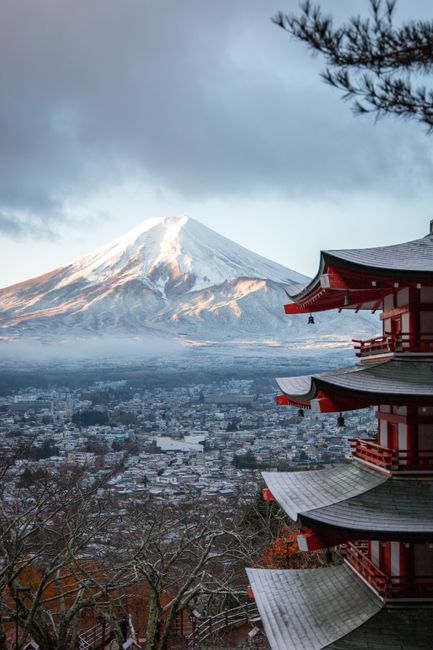 1
1