The Mediterranean has more gorgeous coastline than any traveler could see in a lifetime, and a handful of towns and islands have become shorthand for the whole dream: whitewashed cliffs over impossibly blue water, pastel houses stacked up a hillside, medieval walls dropping straight into the sea. The famous ones are famous for a reason — but fame brings crowds, cruise ships, and prices, and not every postcard view survives contact with an August afternoon.
This is an honest ranking of eight of the Mediterranean's most beautiful coastal escapes — spanning Greece, Italy, Croatia, Montenegro, France, and Spain — with what actually makes each one special, the best time to catch it at its finest, how busy it really gets, and which kind of traveler each suits. I've stood in all of them, in peak crush and in blissful shoulder-season quiet, and the difference is night and day. The goal here isn't to tell you they're pretty (they are) — it's to help you pick the right one and time it right.
A note on order: this is loosely ranked by sheer visual drama, but they're so different in character that the 'best' is really about what you want — island serenity, cliffside romance, a walkable historic city, or a beach base with a town attached. Read for the personality, not just the rank.
1. Santorini, Greece — The Caldera Icon
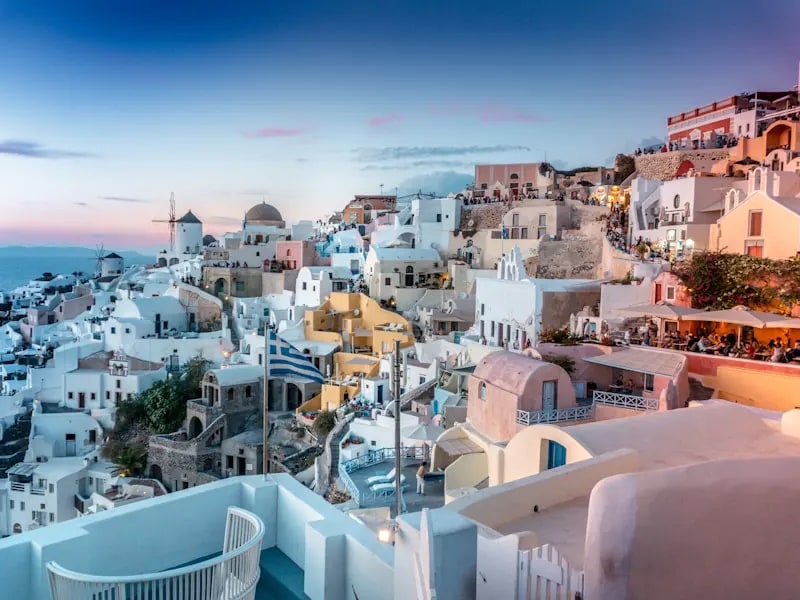
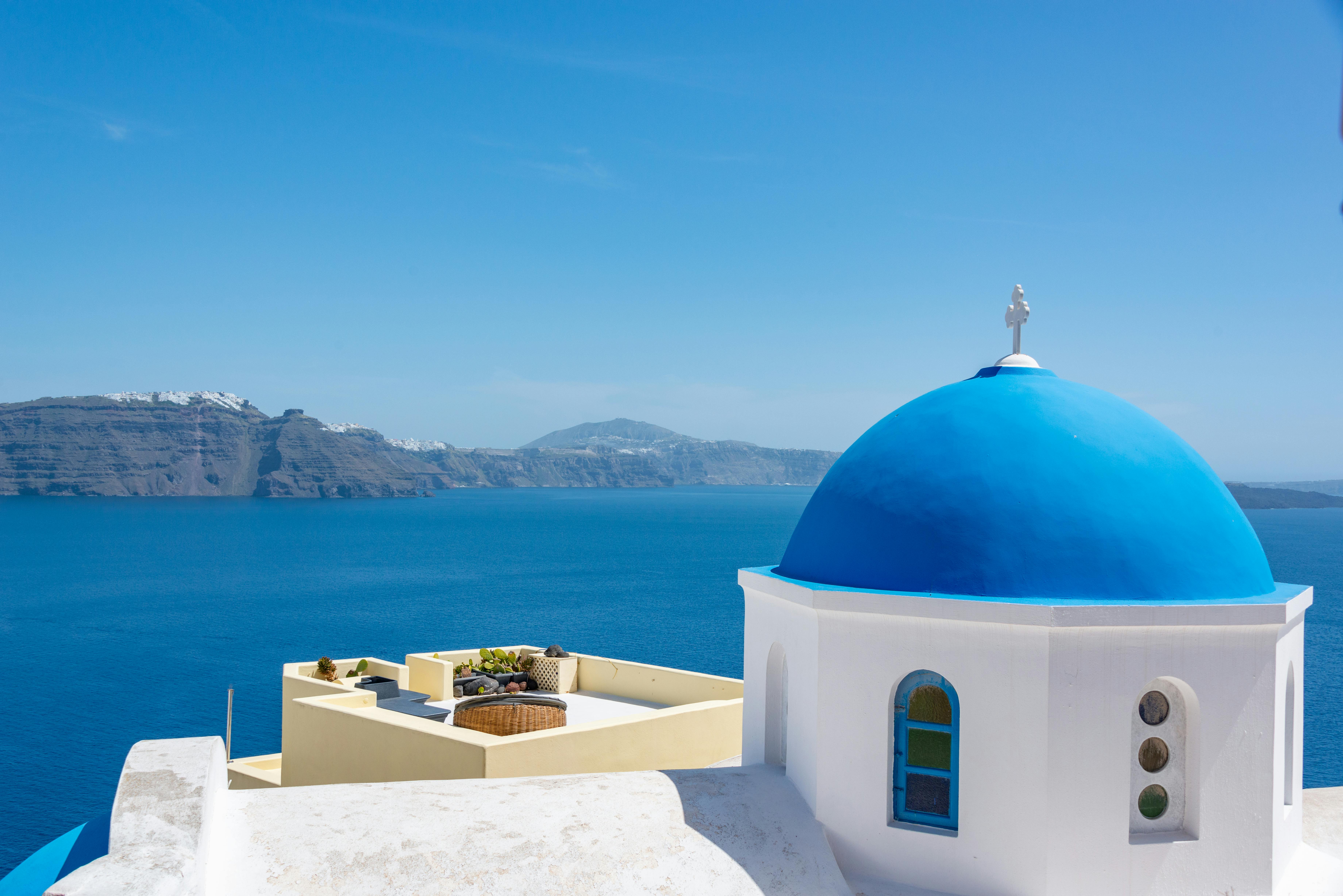
Santorini is the most recognizable coastal view in the Mediterranean, and in person it lives up to it: whitewashed, blue-domed villages clinging to the rim of a flooded volcanic caldera, 300 meters above a deep-blue sea, with the most famous sunset in Greece dropping behind the village of Oia. The crescent island is the remnant of a colossal volcanic eruption, and that geology is the whole show — black- and red-sand beaches, cliff-edge wineries pouring crisp Assyrtiko, and that caldera drop that no photo quite prepares you for.
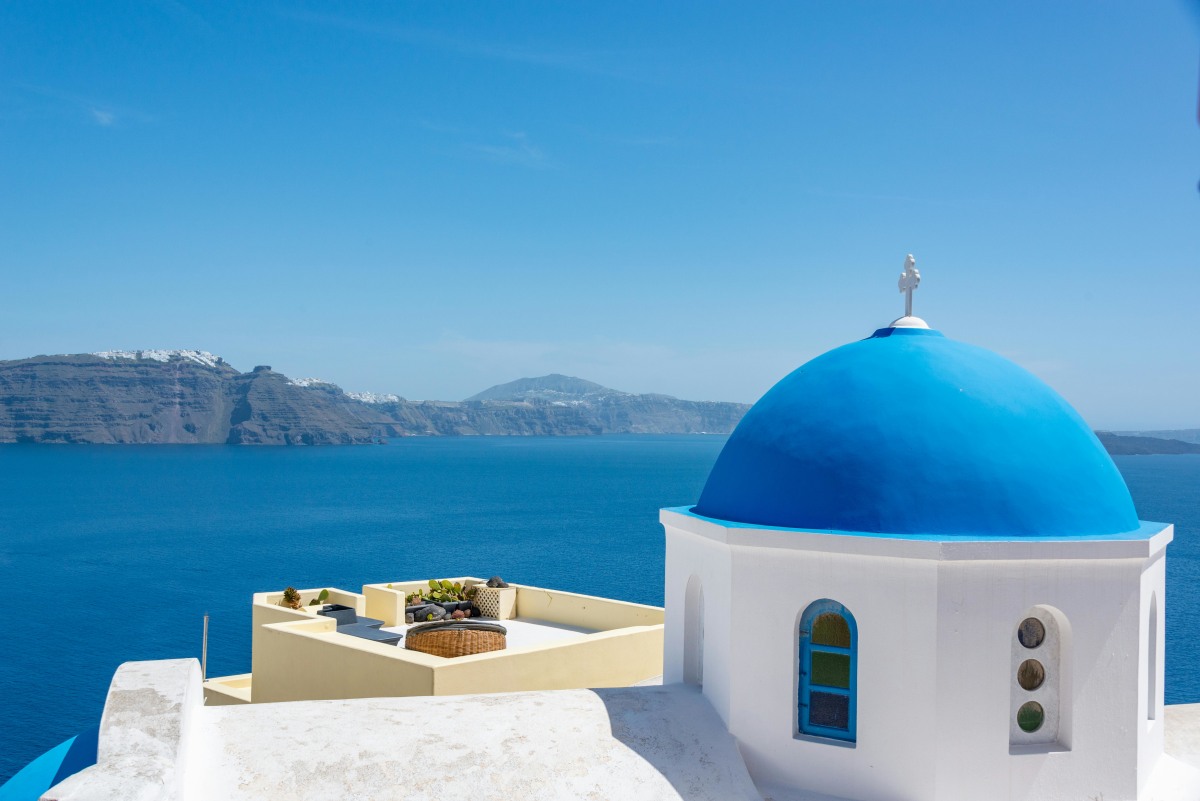
The honest catch is the crowds and the cost: Santorini is one of the most over-touristed spots in Greece, the Oia sunset is a shoulder-to-shoulder scrum in summer, cruise-ship days swamp the villages, and prices are the highest of the Greek islands. Go in May, early June, or late September, watch the sunset from a quieter spot than Oia's main castle, and consider sleeping in Imerovigli or Firostefani instead of Oia for the same view with fewer crowds. Time it right and it's transcendent; time it wrong and it's a queue with a nice backdrop.
2. Positano & the Amalfi Coast, Italy — Vertical Romance
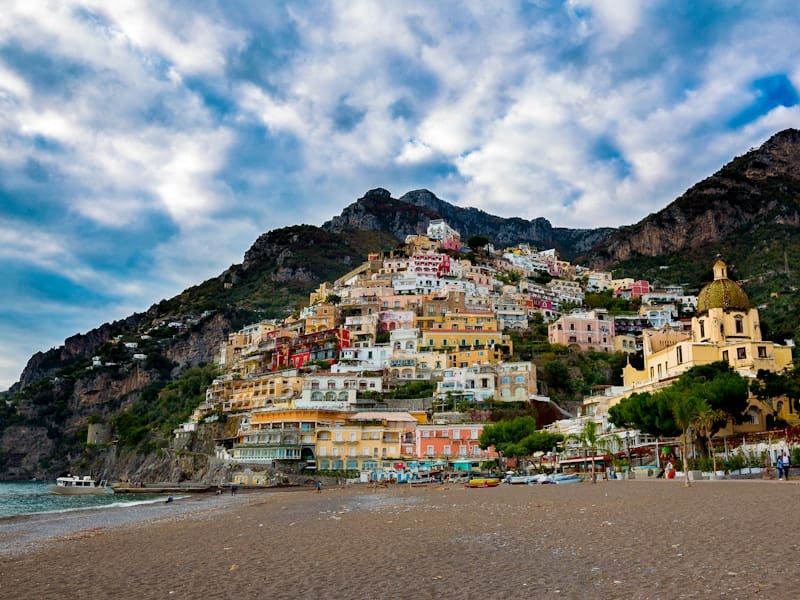
Positano is the Amalfi Coast at its most cinematic — a near-vertical cascade of pastel houses, bougainvillea, and lemon groves tumbling down a cliff to a small pebble beach and a domed church. The whole Amalfi Coast is a UNESCO-listed stretch of impossibly scenic corniche road linking Positano, Amalfi town, and Ravello, with the Path of the Gods hiking trail above and Capri a boat ride away. It's the Mediterranean fantasy of an Italian summer, and Positano is its glossiest expression.
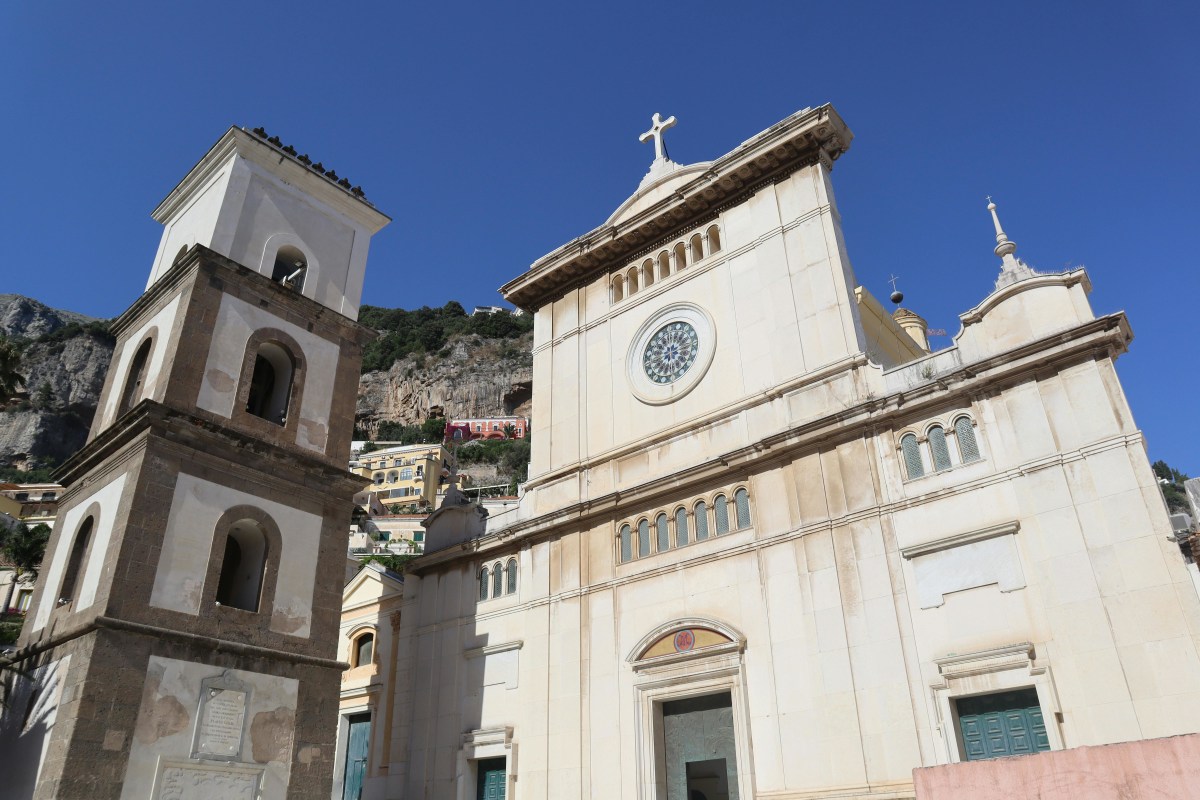
The catches are real: Positano is expensive (one of Italy's priciest spots), the famous coast road is jammed and nausea-inducingly winding in summer, and the tiny town gets packed. The smart play is to base in a less-vertiginous spot (Sorrento or Salerno are cheaper and better-connected) and day-trip in by the SITA bus or, better, the ferry — arriving by sea is the way to see Positano. Shoulder season (May, September–October) is far calmer than July–August.
3. Dubrovnik, Croatia — The Walled Pearl
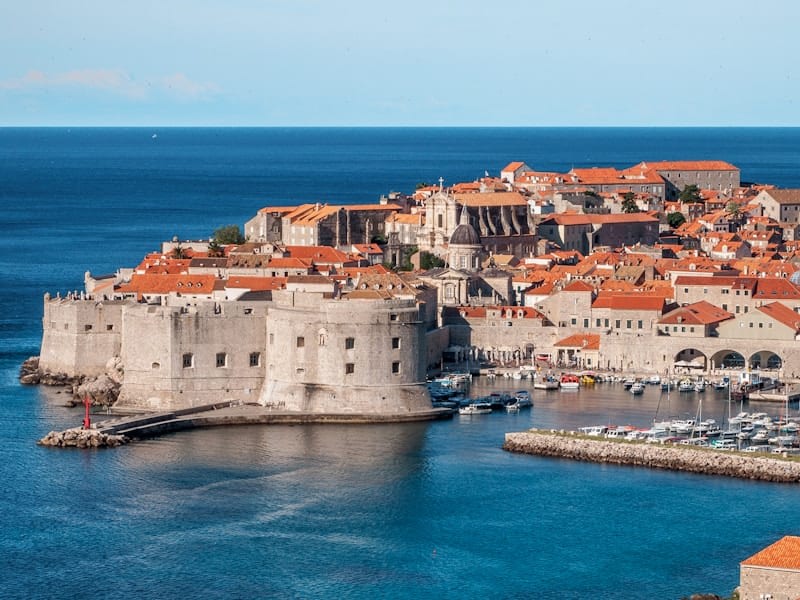
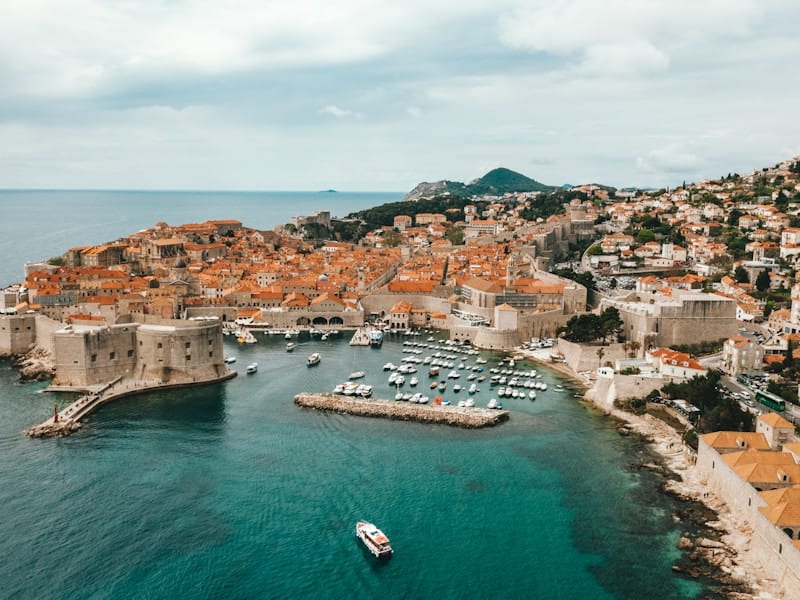
Dubrovnik is the most dramatic walled city on the Mediterranean — a complete medieval old town of marble streets and terracotta roofs, encircled by massive stone ramparts that drop straight into the Adriatic. Walking the city walls (a full circuit above the rooftops and the sea) is one of the great urban experiences in Europe, and the Game of Thrones fame ('King's Landing') has only added to the draw. Kayak beneath the walls, ferry to leafy Lokrum island, or ride the cable car up Mount Srđ for the view over the whole red-roofed peninsula.

The catch, as with the others, is crowds: the compact old town can be overwhelmed when multiple cruise ships dock, and summer midday is the worst of it. Walk the walls right at the 08:00 opening (also cooler and cheaper-feeling), explore early or late, and escape to the Elaphiti islands or the Pelješac wine peninsula when the center fills. June and September are meaningfully calmer than peak July–August.
4. Kotor, Montenegro — The Fjord of the South
Kotor offers the most surprising landscape on this list: a deep, winding bay that looks and feels like a Nordic fjord, ringed by near-vertical limestone mountains, with a tiny medieval Venetian old town tucked at the water's edge. It's the Mediterranean doing drama on a different scale — darker water, steeper walls, and a more secretive beauty than the open-sea icons. The signature experience is the climb: roughly 1,350 steps up the old fortifications to the Castle of San Giovanni, for a view straight down onto the bay and the terracotta town below.

Kotor is cheaper than its Croatian neighbor (Montenegro uses the euro but undercuts Dubrovnik on prices) and still a touch less mobbed, though cruise ships do call and the tiny old town fills midday. It's a stunning waypoint rather than a deep, days-long destination — pair it with the Adriatic coast or the Balkans, climb the fortress at dawn before the ticket booth and the heat, and stay just outside the walls for the best value.
5. Mykonos, Greece — Whitewash and Nightlife
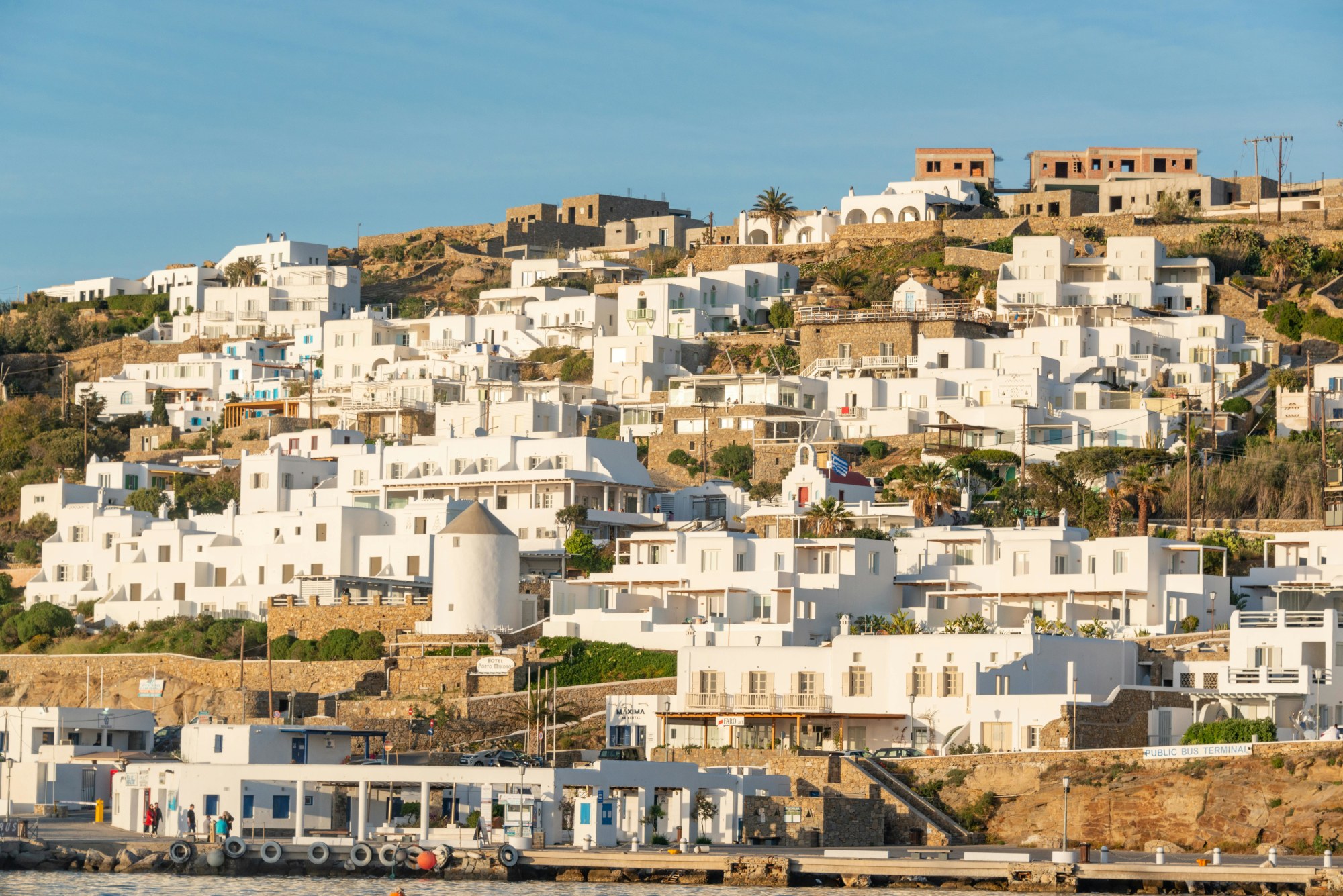
Mykonos is the Cyclades at their most glamorous: a maze of dazzling whitewashed lanes designed to confuse pirates, the windmills above the sea, the waterfront 'Little Venice' where houses sit right on the water, and a beach-club-and-nightlife scene that's the most famous in the Aegean. It's beautiful in the classic Greek-island way — blinding white, deep blue, bursts of bougainvillea — but its personality is social and stylish rather than serene. If Santorini is for the sunset, Mykonos is for the party that follows.

The catch is that glamour comes priced: Mykonos is one of the most expensive Greek islands, the beach clubs charge accordingly, and July–August is both packed and pricey. It's the wrong island if you want quiet, traditional, or cheap — for that, look to the lesser-known Cyclades. But for sheer postcard looks plus a real scene, in shoulder season when prices ease, it delivers.
6. Nice & the French Riviera, France — Belle Époque by the Sea
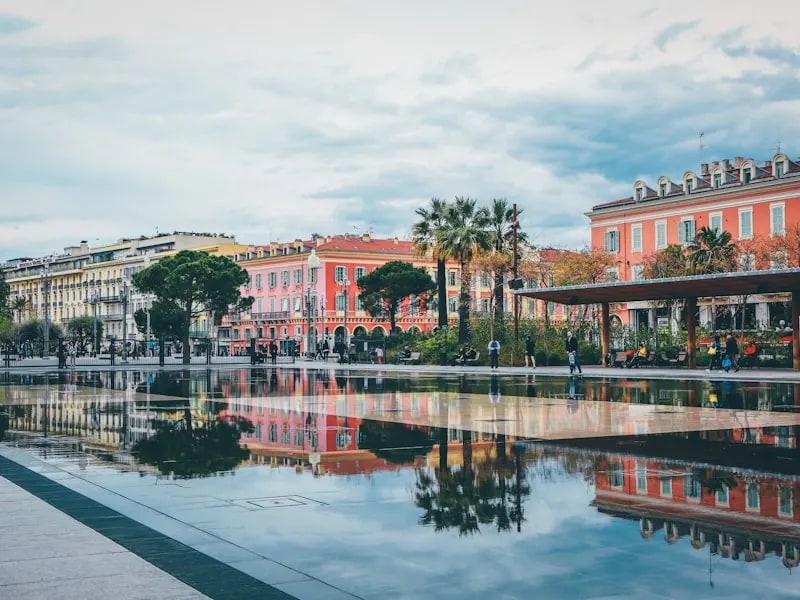
Nice is the elegant, walkable heart of the Côte d'Azur — the long curve of the Promenade des Anglais along a pebbly bay of that famous deep Riviera blue, a warren of an old town (Vieux Nice) full of markets and Niçoise food, and Belle Époque grandeur everywhere. Unlike the one-trick island icons, Nice is a real city with museums, an airport, and great rail connections, which makes it the perfect base for the whole Riviera: Monaco, Antibes, Cannes, and the perched village of Èze are all short hops away.

The honest notes: this is the French Riviera, so it's not cheap (though Nice itself is more reasonable than glitzy Monaco or Cannes), and the beaches are pebble, not sand. But as a base that combines a beautiful seafront, a genuine city, and easy access to a dozen more Riviera gems, Nice is hard to beat — and it's lovely well into the spring and autumn shoulders, not just summer.
7. Mallorca, Spain — The Island That Has Everything
Mallorca (Majorca) is the most well-rounded island here — big enough to hold a genuinely beautiful range of landscapes: the dramatic Serra de Tramuntana mountains (UNESCO-listed) plunging to the sea on the northwest coast, hidden turquoise coves (calas) in the east and south, the elegant cathedral-topped capital of Palma, and stone mountain villages like Valldemossa and Deià. It rewards a rental car and a week — you can hike a mountain trail, swim in a secret cove, and dine in a sophisticated town all in one day.
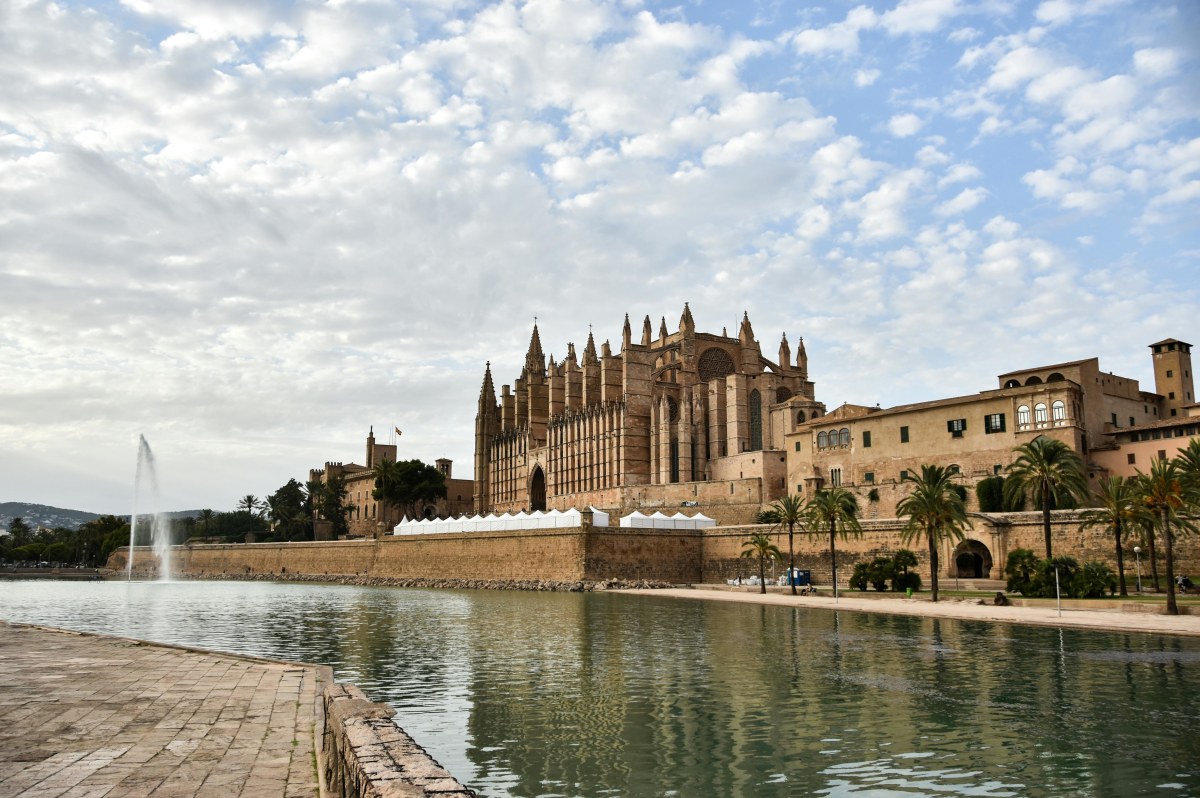
Mallorca's reputation as a package-holiday party island is outdated and unfair — those resorts exist in a couple of concentrated zones (Magaluf, parts of the Bay of Palma), and the rest of the island is gorgeous, varied, and increasingly upscale. The catch is summer crowds and traffic on a popular island; a car and a base away from the package zones, ideally in shoulder season, unlocks the real Mallorca.
8. Split, Croatia — A Roman Palace You Live Inside
Split is the most unusual entry: its old town isn't next to a historic monument — it is one. The whole center is built inside and around the 1,700-year-old Diocletian's Palace, a Roman emperor's retirement complex whose walls, cellars, and colonnaded courtyard are now woven into a living city of cafés, apartments, bars, and markets. Add a palm-lined seafront promenade (the Riva), nearby beaches, and a position as the ferry hub for the Dalmatian islands (Hvar, Brač, Vis), and Split is both a stunning destination and the most practical base on the Croatian coast.

Split is livelier and more lived-in than museum-piece Dubrovnik (and generally cheaper), which some travelers prefer and others find less pristine. It does get busy in peak summer and as a cruise and ferry hub, but the palace's warren absorbs crowds better than Dubrovnik's walls. Use it as a base, island-hop by ferry, and you get Roman history, Adriatic beauty, and Dalmatian island access in one.
How to Choose and When to Go
The single most important decision for all eight is timing. July and August are peak crowds, peak prices, and peak heat across the whole Mediterranean — and the famous icons (Santorini, Positano, Dubrovnik) suffer most. The shoulder months of May–June and September–October give you warm weather, swimmable sea, far thinner crowds, and lower prices. If you can only travel in high summer, lean toward the bigger, crowd-absorbing destinations (Mallorca, Nice, Split) over the tiny icons that get overwhelmed.
| If you want… | Go to… |
|---|---|
| The iconic sunset view | Santorini |
| Cliffside Italian romance | Positano / Amalfi |
| A walled historic city | Dubrovnik or Split |
| Dramatic, surprising scenery | Kotor |
| Beauty plus nightlife | Mykonos |
| A real city + Riviera base | Nice |
| One island that does it all | Mallorca |
| Fewer crowds / better value | Kotor, Split, or Mallorca |