June is the most quietly perfect month to travel, and almost nobody plans around it. It sits in the gap before the school-holiday wave hits in July: the weather across the Northern Hemisphere has turned reliably warm, the days are at their longest of the year, and the prices and crowds haven't yet peaked. In the far north you get near-endless daylight; around the Mediterranean you get summer heat without August's furnace; and below the equator, June flips the script entirely into a crisp, sunny ski season.
The catch is that 'best in June' is regional, not universal. Parts of Asia are deep in monsoon and rainy season, the Caribbean is entering hurricane season, and a few famously-good destinations are actually at their soggiest. So this isn't a list of pretty places — it's a list of places that are specifically at their seasonal peak in June, with the honest caveats where they exist (yes, including which beloved country to think twice about).
Eight destinations below, spread deliberately across climates and hemispheres so there's a right answer whatever you're after — midnight-sun road trips, Greek-island swimming, alpine hiking, or June skiing in the Southern Alps. Each comes with what the weather actually does, how busy it gets, and the one thing to know before you book.
Why June Is the Smart Month
Three things line up in June. First, daylight: the solstice around June 21 means the Northern Hemisphere hits its maximum daylight — 18-plus hours in Scandinavia, genuine midnight sun above the Arctic Circle. Second, the shoulder-to-peak transition: in most of Europe, June weather is already full summer but the heaviest crowds and highest prices arrive in July and August, so you get the conditions without the worst of the crush. Third, the hemisphere flip: June is early winter in the Southern Hemisphere, which turns New Zealand and the southern Andes into prime, uncrowded ski country. The trick is simply to point yourself at a region where June is the answer — and away from the ones where it isn't.
June is the start of the rainy season across much of South and Southeast Asia (Thailand, Bali, southern India, much of Indochina) and the official start of Atlantic hurricane season in the Caribbean. Japan's main islands enter their tsuyu rainy season too (which is exactly why Hokkaido, below, is the smart Japan pick). None of these are guaranteed washouts, but if you want reliable June sun, steer toward the eight regions in this guide instead.
1. Reykjavik & Iceland — The Midnight Sun Peaks
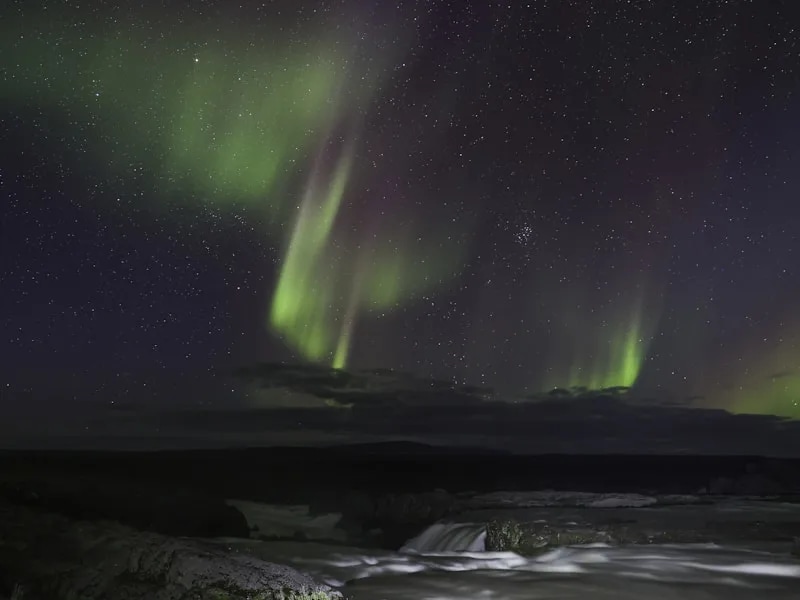
June is the single best month to visit Iceland, full stop. Around the solstice the sun barely sets — Reykjavik gets about 21 hours of daylight and a long lingering twilight through the rest, so you can hike, drive the Ring Road, or sit in a hot spring at 11 p.m. in daylight. The weather is at its mildest (highs around 12–14°C / 54–57°F), every mountain road and Highland route has reopened after winter, and the puffins are nesting on the sea cliffs. It's the rare destination where the headline natural phenomenon — endless daylight — is genuinely life-altering to experience.

The honest catches: this is peak season, so flights, rental cars, and hotels are at their priciest and need booking well ahead. And the flip side of the midnight sun is that there is no darkness — meaning no Northern Lights in June (come back September–March for those). Pack a sleep mask, and book the campervan or the Ring Road accommodation early.
2. Stockholm & Scandinavia — Long Days and Midsummer
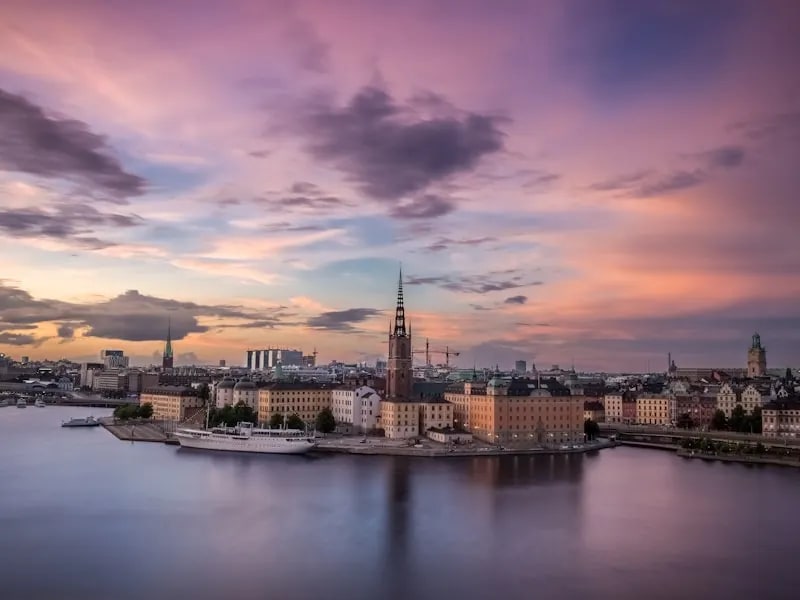
The Scandinavian capitals are at their joyful best in June. Stockholm — a city built across 14 islands — comes alive when the daylight stretches past 18 hours: the archipelago ferries run, the waterfront fills, and the whole country effectively shuts down for Midsummer (Midsommar), the most important festival of the Swedish year, when locals decamp to the countryside to raise flower-crowned maypoles, eat herring, and celebrate the light. Catching Midsummer (around June 20–21) is a genuine cultural high point, and the weather — high teens to low 20s°C — is ideal for being outdoors all day.

The catch is Midsummer itself: over that specific long weekend, many shops, restaurants, and businesses in the cities close as everyone heads to summer houses, so the capital can feel oddly empty for a day or two. Plan around it — either join the festivities in the countryside or use the quiet city days for museums (the Vasa is open) — and the rest of June is pure, easy Nordic summer. Oslo, Copenhagen, and Helsinki all run on the same wonderful long-day rhythm.
3. Interlaken & the Swiss Alps — Hiking Season Opens
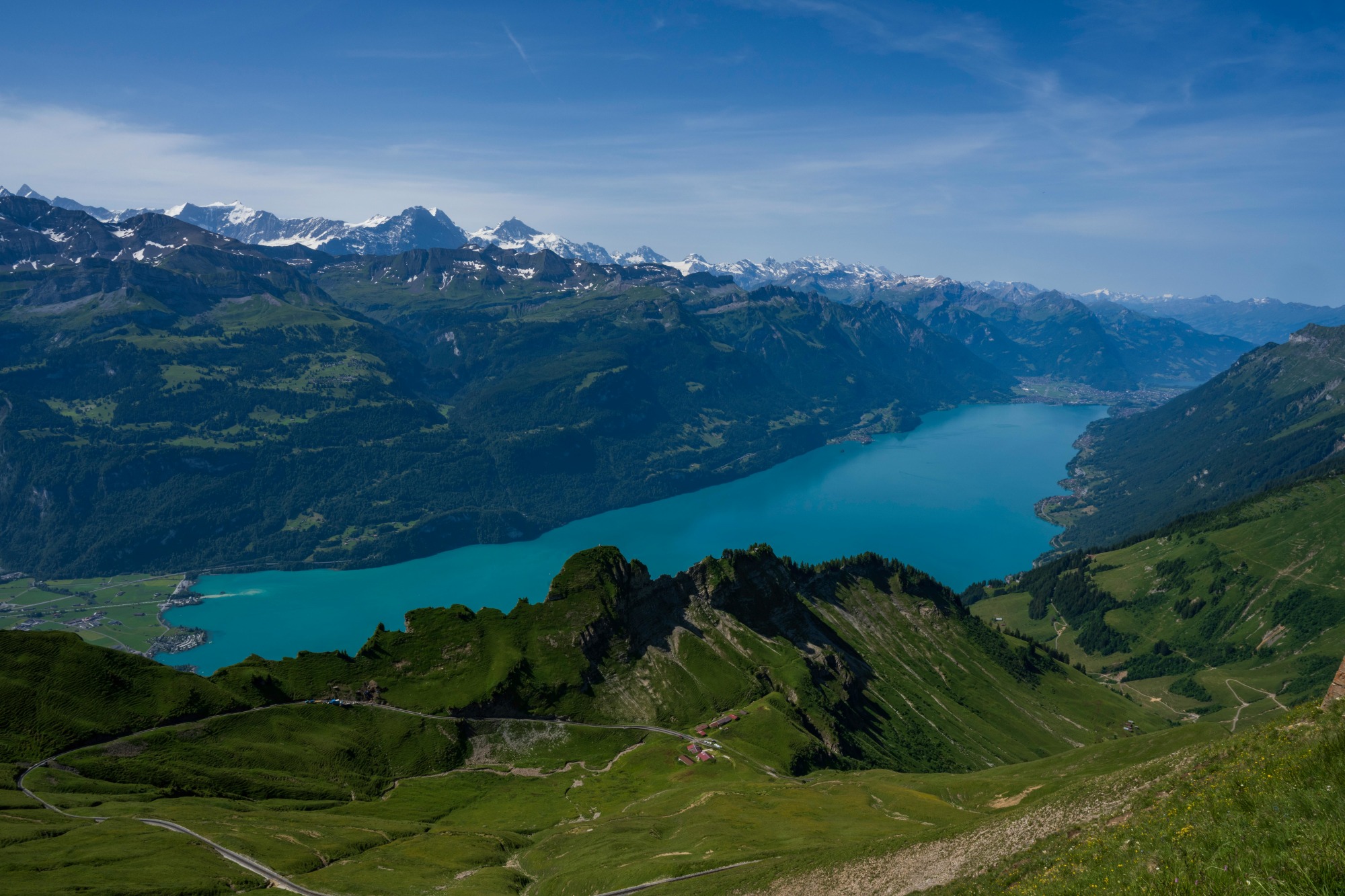
June is when the Alps wake up. The snow has melted off the valley and mid-altitude trails, the wildflower meadows explode, the cable cars and mountain railways are running on full summer schedules, and the days are long enough for a dawn-to-dusk hike. Interlaken — wedged between two lakes beneath the Eiger, Mönch, and Jungfrau — is the classic base: you can be paragliding over turquoise Lake Brienz in the morning and riding the train up toward the Jungfraujoch 'Top of Europe' in the afternoon. Temperatures are comfortable (low 20s°C in the valley, cool and crisp up high), and the brutal July–August crowds haven't fully arrived.

The honest catch is altitude: the highest trails and passes (above roughly 2,500 m) can still hold snow well into June, so check trail status before a big hike and don't assume every high route is open yet. Switzerland is also simply expensive — but June lift passes and rooms are a touch cheaper than the deep-summer peak, and the value of the scenery is hard to argue with.
4. Santorini & the Greek Islands — Before the July Furnace
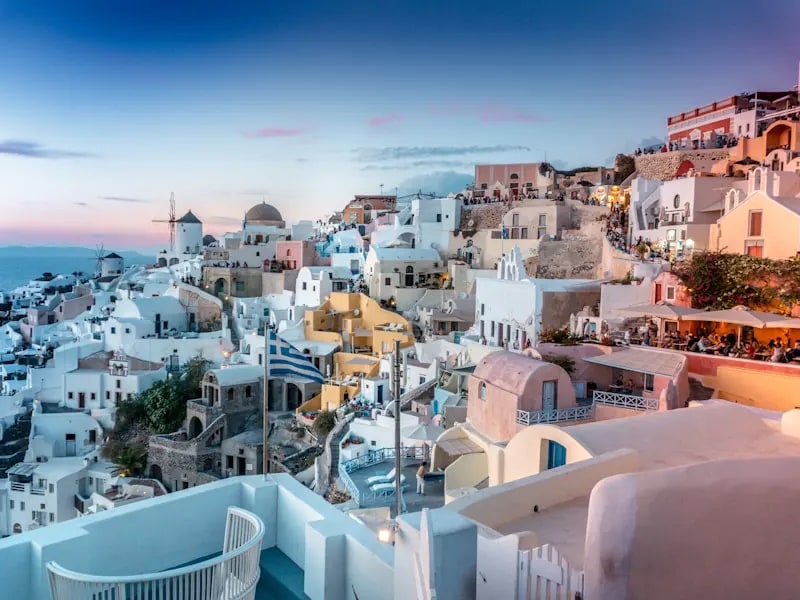
June is the sweet spot in the Greek islands: the sea has warmed up enough to swim (around 22–23°C), the days are hot and reliably sunny (high 20s°C) but not yet the scorching high-30s of late July and August, and while it's busy, it's not the shoulder-to-shoulder peak that arrives the moment European schools break. Santorini delivers its postcard at its best in this window — the white-and-blue caldera villages of Oia and Fira, the sunset that draws a nightly crowd, the volcanic-sand beaches, and the cliff-edge wineries pouring crisp Assyrtiko.
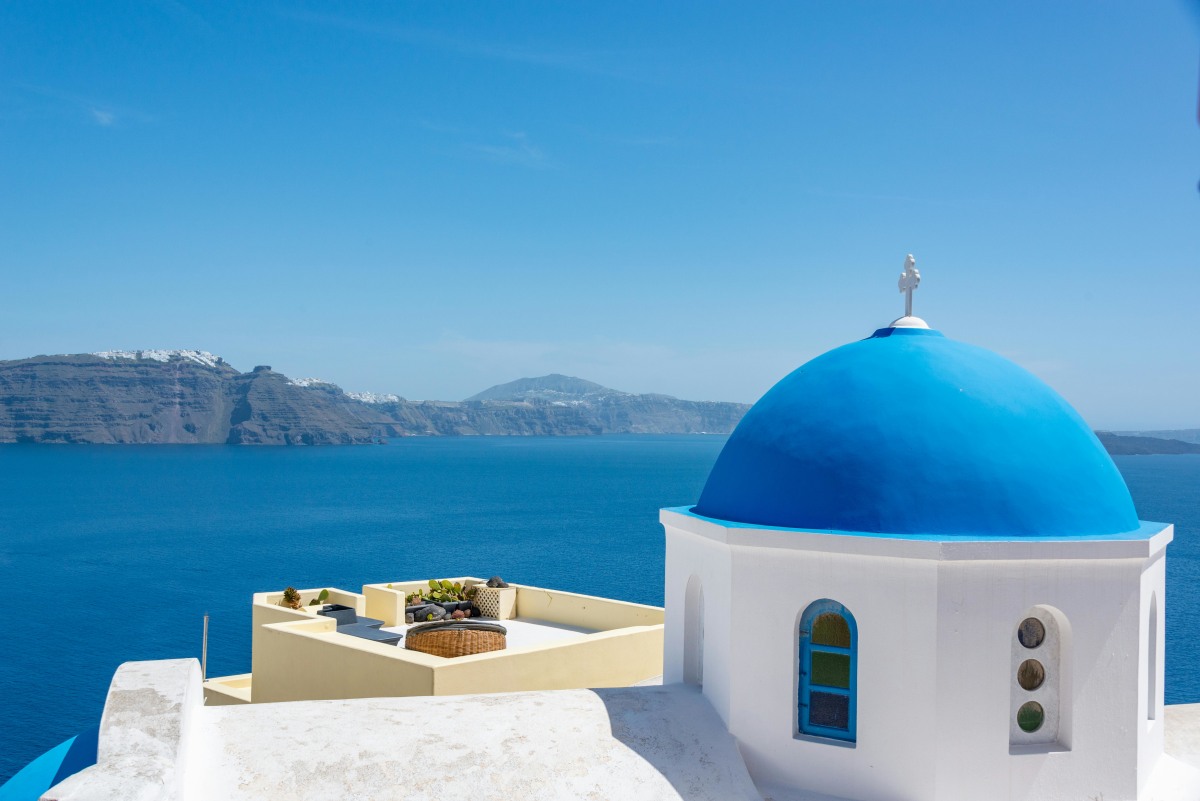
The catch is that 'before the peak' is relative — Santorini is one of the most popular islands in the Mediterranean and the Oia sunset is crowded in any summer month, plus cruise-ship days swell the main villages. Book accommodation early, see the famous spots early in the morning or on no-cruise days, and consider basing on a quieter neighboring island (or a less-trafficked corner of Santorini) and day-tripping in. The June light and swimmable sea are worth the planning.
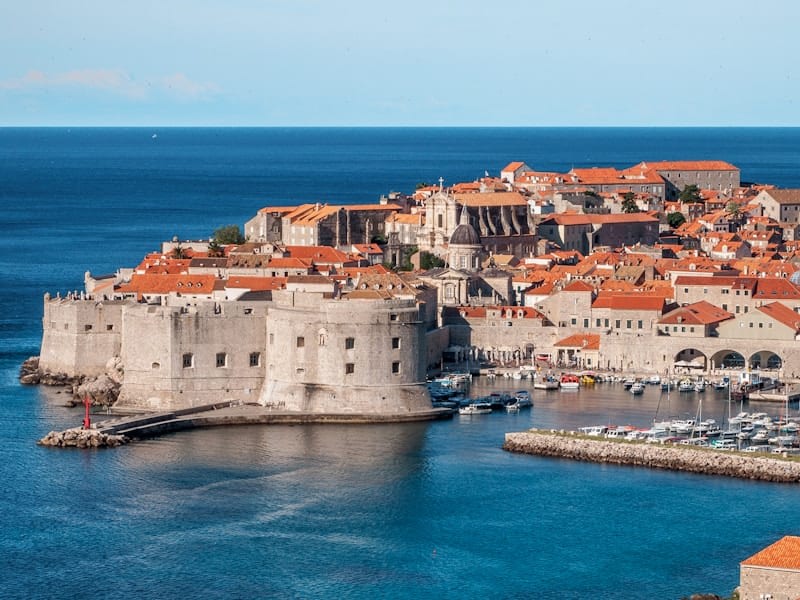
5. Dubrovnik & the Adriatic — Early-Summer Croatia
Croatia's Dalmatian coast is at a near-perfect pitch in June: the Adriatic is warm enough for long swims, the limestone old towns glow in the long light, and the sailing-and-island-hopping season is in full swing before the July–August peak prices and heat. Dubrovnik — the walled 'Pearl of the Adriatic' — lets you walk the medieval city walls in the morning before the heat and the day-trippers build, kayak beneath the ramparts, and ferry out to Lokrum island or the Elaphiti islands. Temperatures in the mid-to-high 20s°C make it comfortable for both walking the stone-paved old town and beach time.

The catch is cruise ships and Game of Thrones fame: Dubrovnik's compact old town can get genuinely packed when several ships are in port, so check the cruise schedule, walk the walls right at opening (08:00) or late afternoon, and escape to the islands or the Pelješac wine peninsula when the center fills. June is meaningfully calmer than July and August, but 'calm' is relative for one of Europe's most photographed cities.
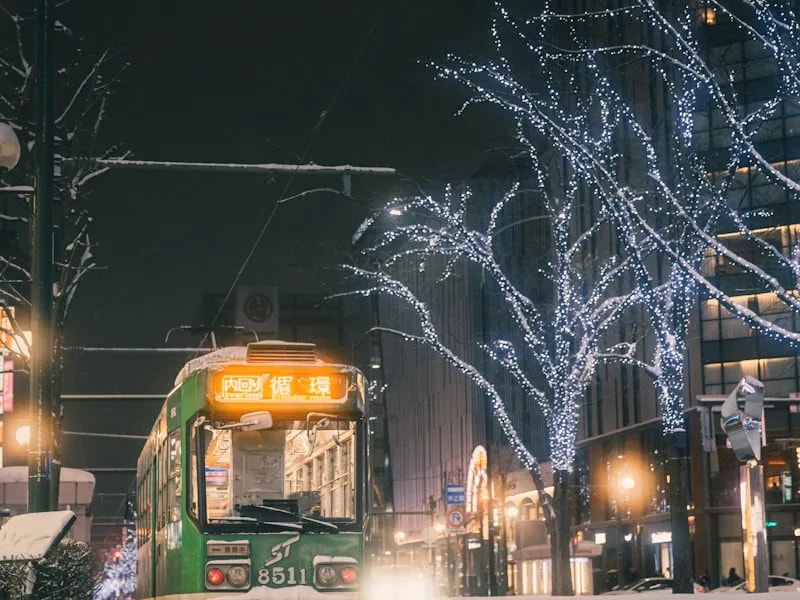
6. Sapporo & Hokkaido — Japan's Dry-Season Exception
Here's the insider move: most of Japan enters its tsuyu rainy season in June — Tokyo, Kyoto, and Osaka turn humid and wet — but Hokkaido, the northern island, is the one major region that essentially skips the rainy season. June in Sapporo and across Hokkaido is mild, fresh, and dry (highs around 21–23°C), with green hills, blooming flower fields just getting started, and almost none of the humidity that defines a June in Honshu. If you want Japan in June, this is the answer, and you'll have it far less crowded than the cherry-blossom and autumn-leaf peaks.

The catch is mostly expectation-setting: the famous lavender and flower fields of Furano and Biei peak in July, so June is just before their full bloom (early varieties are starting). But for comfortable temperatures, clear-ish skies, fresh seafood and dairy, and a genuinely uncrowded slice of Japan while the rest of the country reaches for umbrellas, Hokkaido in June is one of the best-value seasonal calls in Asia.
7. Maui & Hawaii — Reliable Pacific Sun
June marks the start of Hawaii's drier summer season, and Maui is about as weather-reliable as a June beach holiday gets: warm, sunny days in the mid-to-high 20s°C, calm leeward-coast water ideal for snorkeling and swimming, and the kind of steady trade-wind comfort the islands are built on. It sits in the gap before the big July–August and holiday peaks, so it's a touch quieter and slightly better value than high summer. Snorkel Molokini crater, drive (early) up Haleakalā for the summit, and tackle the Road to Hāna with the windows down.


Two honest notes. First, after the 2023 Lahaina wildfire, travel responsibly — visit, spend, and support the recovery, but be respectful around affected areas and follow local guidance. Second, Hawaii is far and not cheap; book inter-island logistics and the popular activities (Haleakalā sunrise reservations, Molokini tours) ahead. The reward is the most dependable sun-and-sea forecast of any destination on this list.
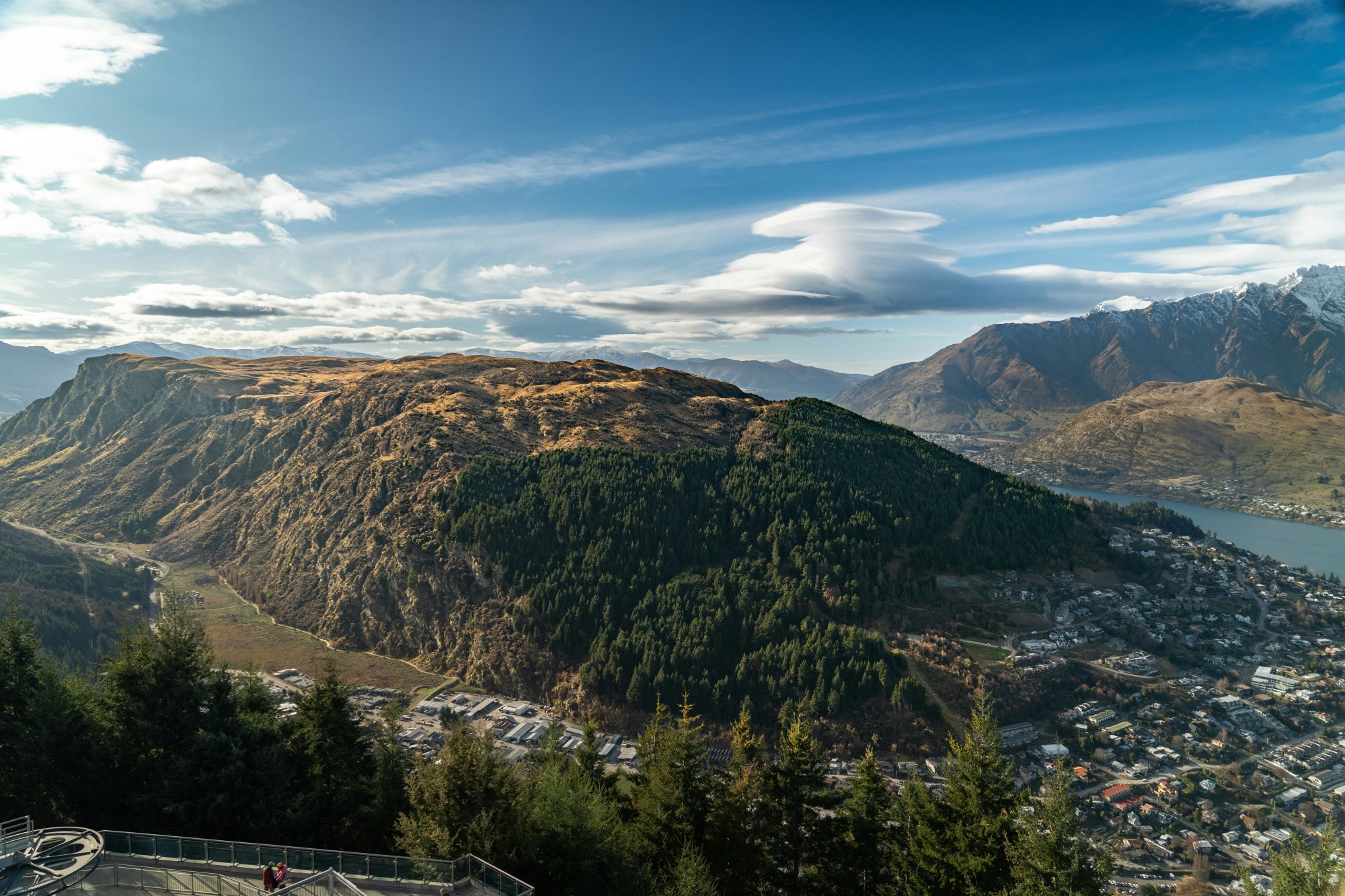
8. Queenstown & New Zealand — Southern-Hemisphere Ski Season
Flip the globe: in June, New Zealand's South Island is heading into winter, and Queenstown — the adventure capital on the shore of Lake Wakatipu — opens its ski season. The nearby fields of Coronet Peak and The Remarkables typically start spinning lifts in mid-to-late June, the surrounding peaks turn white, and the town runs on crisp blue-sky days and cozy après-ski nights. It's the answer for anyone who wants summer-in-reverse: skiing and snowboarding, but also winter hiking, hot pools, and the famous Queenstown food-and-wine scene without the dense summer-tourist peak.

The catch is that June is early-season: snow cover depends on the year, and the very start of the season can be thin before July–August deliver the most reliable conditions. Days are short (this is Southern winter) and it's properly cold. But for uncrowded slopes, lower-than-peak prices, and the unmatched novelty of swapping hemispheres for your ski trip, late June in Queenstown is a brilliant, contrarian June call.
June at a Glance
| Destination | June weather | Why June | The catch |
|---|---|---|---|
| Reykjavik | 12–14°C, ~21 hrs daylight | Midnight sun peaks, all roads open | Peak prices; no Northern Lights |
| Stockholm | High teens–low 20s°C | Long days + Midsummer festival | City quiet over Midsummer weekend |
| Interlaken | Low 20s°C valley | Hiking season opens, meadows bloom | Highest trails may still hold snow |
| Santorini | High 20s°C, sea ~22°C | Swimmable + before July heat/crush | Still busy; cruise-day crowds |
| Dubrovnik | Mid–high 20s°C | Warm Adriatic, pre-peak | Cruise-ship crowds in old town |
| Sapporo | 21–23°C, dry | Skips Japan's rainy season | Flower fields peak in July |
| Maui | Mid–high 20s°C | Start of dry season, reliable sun | Far and pricey; travel responsibly |
| Queenstown | Cold, short days | Southern ski season opens | Early-season snow can be thin |