As of 2026, the must-see places in Tokyo include Senso-ji Temple & Asakusa, Meiji Shrine, Tokyo Skytree. See highlights, time needed and tips for each below.
Tokyo blends historic landmarks, natural scenery, and local food experiences. We've organized 29 attractions across 8 categories. Each attraction card includes entry fees, opening hours, and local tips so you can plan straight from the page. Use the quick links below to jump to your favorite category.
Tokyo's oldest temple, founded in 628 CE. Walk under the iconic 700kg red Kaminarimon ('Thunder Gate') lantern, then through Nakamise Shopping Street where vendors have sold senbei rice crackers and ningyo-yaki cakes for generations. The five-story pagoda and main hall are stunning, and the surrounding Asakusa neighborhood retains an old-Edo atmosphere rare in modern Tokyo.
Visit Info
PriceFree entry
HoursMain hall 6:00-17:00 (winter from 6:30); grounds 24 hours
Time1-2 hours
Local Tip
Arrive before 7 AM for empty courtyards and golden-hour light. For the iconic photo with Tokyo Skytree behind, walk to Azumabashi Bridge.
2
Meiji Shrine
A 175-acre cypress forest in central Tokyo dedicated to Emperor Meiji and Empress Shoken. The walk from the towering wooden torii gate to the main shrine cuts through dense forest that completely silences the urban noise. On weekends, you may witness a traditional Shinto wedding procession in white kimonos crossing the inner courtyard.
Walk along the path edges — the center is reserved for the gods. Bow once before entering through the torii gate. Mornings before 9 AM are quietest.
3
Tokyo Skytree
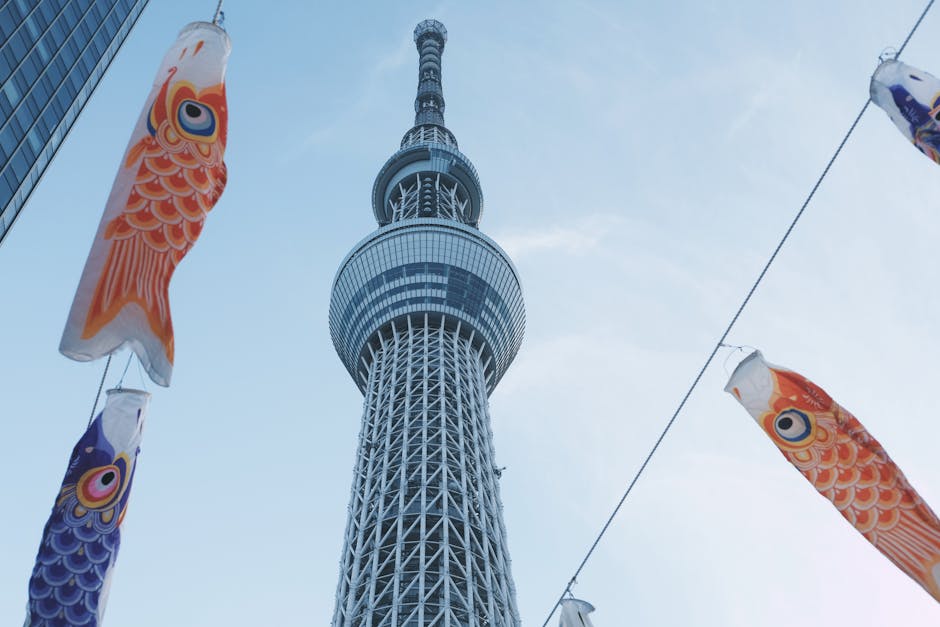
At 634 meters, the world's tallest free-standing broadcasting tower. Two observation decks: Tembo Deck at 350m and Tembo Galleria at 450m. On clear days, Mt. Fuji is visible. The base hosts Solamachi mall with 300+ shops — a strong wet-weather backup.
Time entry for one hour before sunset to capture both daylight and night views. Online advance booking saves about $1.50 / ¥225.
4
Imperial Palace & East Gardens
Current residence of Japan's Imperial Family, on the foundations of Edo Castle. East Gardens are the only public part — free entry, traditional Japanese landscaping with remains of the original castle keep. The iconic Nijubashi double bridge frames the moat — Tokyo's most formal photo location. Inner palace requires a free guided tour booked through the Imperial Household Agency.
Visit Info
PriceEast Gardens free; Inner tour free (advance booking required)
Book inner tour 1-2 weeks ahead online. Same-day standby is 9 AM, 100 spots only — a gamble. Cherry blossoms in late March; maple leaves in November.
5
Tokyo Tower
Built in 1958 and modeled on the Eiffel Tower, the 333m red-and-white lattice tower was a symbol of postwar Japanese recovery and remains Tokyo's most cinematic landmark — featured in countless anime, manga, and film. The two observation decks (150m Main Deck and 250m Top Deck) feel dated compared to Tokyo Skytree, but the night illumination is genuinely stunning. The base hosts the Foot Town complex with restaurants, an aquarium, and a small One Piece-themed park.
Visit Info
PriceMain Deck $14 / ¥2,100; combo with Top Deck $20 / ¥3,000 (online discount $1.50 / ¥225)
Hours9:00-23:00 (last entry 22:30)
Time1-1.5 hours
Local Tip
The best Tokyo Tower photos are taken from outside, not from the deck. Walk five minutes to Zojoji Temple grounds at dusk for the canonical 'temple roof + glowing red tower' shot. For panoramic city views with Tokyo Tower in frame, Roppongi Hills' Sky Deck ($13 / ¥2,000) is the better paid option.
Modern & Pop Culture
5 spots
1
Shibuya Crossing & Shibuya Sky
The world's busiest pedestrian crossing — up to 3,000 people cross at once when lights change. For the aerial perspective, Shibuya Sky is a 229m open-air observation deck on top of Shibuya Scramble Square, with full 360° views. The 'Sky Edge' rooftop section lets you lie back and watch clouds drift over the skyline — the most-photographed Instagram spot in Tokyo.
For the crossing without paying, head to Starbucks on the 2nd floor of Shibuya Tsutaya — same view, $5 / ¥750 coffee.
2
teamLab Borderless / Planets
There's nothing else like teamLab anywhere in the world. Borderless (Azabudai Hills, opened 2024) is fully immersive — works move between rooms with no walls. Planets (Toyosu) features rooms where you walk through ankle-deep water surrounded by projected fish. Photography and video are encouraged.
Wear shorts or pants you can roll up — Planets has knee-deep water sections. Weekends sell out and have queues at every artwork. Weekday mornings are best.
3
Akihabara
Global capital of anime, manga, video games, and otaku culture. Radio Kaikan: 9 floors of figurines and trading cards. Super Potato: working consoles from the 80s-90s. Maid cafés ($7–14 / ¥1,050–¥2,100 per hour) offer a uniquely Japanese themed-service experience. Sunday afternoons close the main street to cars — the best time to walk.
Take advantage of tax-free shopping ($35+ / ¥5,250+ per store; bring passport). Yodobashi Camera Akiba is an entire department store of electronics — budget at least an hour.
4
Shinjuku Golden Gai & Kabukicho
Six narrow alleys packed with 200+ tiny bars, most seating only 5-8 people, often run by a single owner. Conversations with strangers happen naturally. Right next door, Kabukicho is Tokyo's largest entertainment district — neon-lit streets full of izakayas, robot restaurants, and karaoke. Comes alive after 10 PM.
Visit Info
PriceEntry free, drinks $5–15 / ¥750–¥2,250, cover charges $3–10 / ¥450–¥1,500 at some bars
HoursMost bars 19:00-2:00 (many closed Sun/Mon)
Time1.5-3 hours
Local Tip
Start at bars marked 'No Cover Charge' to avoid surprise fees. Always confirm cover charges before sitting down — some places aren't transparent.
Tokyo Metropolitan Government Observation Deck
The 202m twin-tower government building in Shinjuku has two FREE observation decks on the 45th floor — one of Tokyo's best-kept deals. On clear days, Mt. Fuji is visible to the west, Tokyo Skytree to the east, and the Yokohama coastline to the south. Significantly less crowded than Shibuya Sky or Tokyo Skytree, and unlike both, it costs nothing. A small café and gift shop on each deck make it a comfortable 45-minute stop.
Mt. Fuji visibility is best November through February on cold dry mornings — winter sunrise visits are the most reliable Fuji views in central Tokyo. Arrive 30 minutes before sunset for the daylight-to-night transition. The North Tower's hours are longer; default there.
Food & Markets
3 spots
1
Tsukiji Outer Market
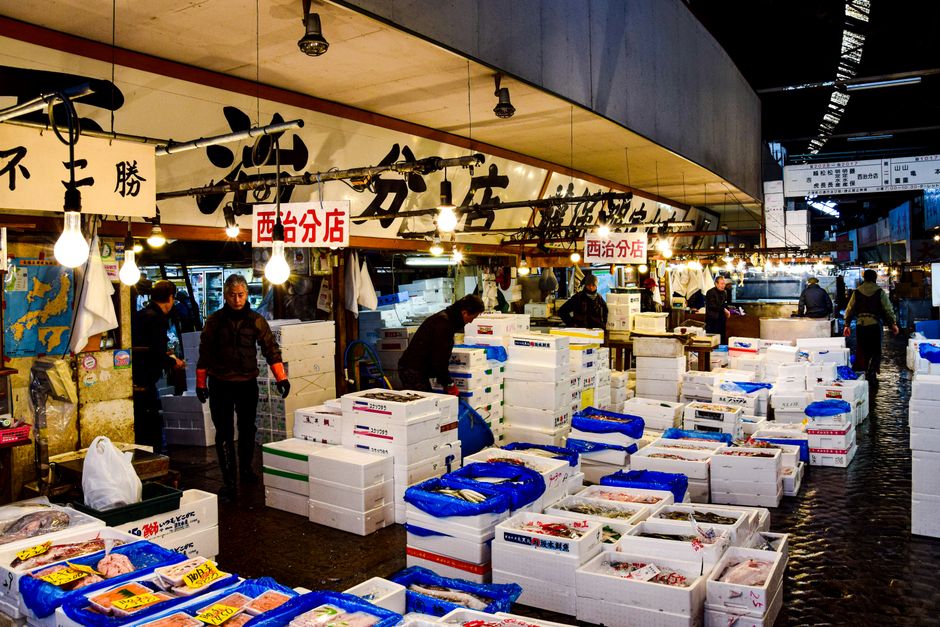
The wholesale fish auction moved to Toyosu in 2018, but the 400+ outer market stalls remain. This is Tokyo's best breakfast — sushi, sashimi rice bowls, tamagoyaki, sea urchin, tuna skewers, all eaten standing up while walking. Doing one bite at each stall is a legitimate strategy and easily fills two hours.
Visit Info
PriceSushi $3-15 / ¥450-¥2,250 per plate; tamagoyaki $0.50-1 / ¥75-¥150
Hours5:00-14:00 (most close by mid-afternoon, many shops closed Wed)
Time1.5-2 hours
Local Tip
Arrive 8-9 AM — busy but lines are shortest. Bring cash; many stalls don't accept cards. Saturday mornings are zoo-level crowded.
2
Shinjuku Omoide Yokocho
A narrow post-war alley next to Shinjuku Station's west exit — locals call it 'Memory Lane' or 'Piss Alley.' Tiny yakitori bars seat 6-8 people each. Smoke, lantern light, and salaryman chatter create the most atmospheric place to drink in Tokyo. Filled to capacity by 7 PM weeknights.
Most bars hate flash photography. Ask before snapping the cooks. Cash only at most stalls.
3
Ameyoko Market (Ueno)
A 400m open-air market under the JR train tracks between Ueno and Okachimachi stations. The name comes from 'America Yokocho,' where post-war black-market American goods (including Hershey's chocolate) were sold. Today: dried seafood, spices, fruit, kebabs ($2-5 / ¥300-¥750), takoyaki, chocolate-covered bananas, plus discounted clothing and cosmetics 20-30% below Tokyo retail.
Visit Info
PriceFree to walk, snacks $1-5 / ¥150-¥750
Hours10:00-19:00 (extended late December, some Wednesday closures)
Time1-1.5 hours
Local Tip
End of December is shoulder-to-shoulder packed with locals buying New Year ingredients. Weekday mornings are calmest.
Parks & Nature
3 spots
Ueno Park & Museum District
Tokyo's largest urban park (130 acres) and a cultural concentration zone — Tokyo National Museum, National Museum of Western Art, National Science Museum, and Ueno Zoo are all here. In spring, 800 cherry trees draw locals who lay out tarps for hanami picnics; visitors who join in are welcomed without ceremony. Shinobazu Pond rowboats ($5 / ¥750 per 30 minutes) book up early during cherry blossom season.
Visit Info
PricePark free, Tokyo National Museum $7 / ¥1,050, zoo $4 / ¥600
HoursPark 5:00-23:00, museums 9:30-17:00 (Fri/Sat to 21:00)
Time2-4 hours including museums
Local Tip
If you'll visit two or more museums, the Grutto Pass ($17 / ¥2,550, 101 facility entries/discounts) pays for itself with one combo visit.
Hamarikyu Gardens
An Edo-era daimyo (feudal lord) garden surrounded by Shiodome's skyscrapers. The central tidal pond — Japan's only one — rises and falls with Tokyo Bay tides. Sit at the Nakajima teahouse on the pond's island for matcha and a wagashi sweet ($3.50 / ¥525) with a backdrop of glass towers. The contrast of past and present is uniquely Tokyo.
Visit Info
PriceEntry $2 / ¥300, matcha set $3.50 / ¥525
Hours9:00-17:00 (last entry 16:30)
Time1-1.5 hours
Local Tip
It's a 7-minute walk from Tsukiji, so morning sushi → Hamarikyu makes a logical pairing. From here, take the river bus ($6 / ¥900, 35 min) to Asakusa.
3
Odaiba
A man-made island in Tokyo Bay connected by the Rainbow Bridge — itself a major night view. The 18m life-size Unicorn Gundam statue does sound-and-light shows on the hour. Three large malls (DiverCity, Aqua City, Venus Fort) connect, and there's a small artificial beach (no swimming) with city skyline views. Family-friendly and ideal for a half-day.
Visit Info
PriceFree (shopping/attractions extra), Gundam Base free entry
HoursShops 10:00-21:00, Gundam shows multiple times daily
Time2-4 hours
Local Tip
Buy the Yurikamome 1-day pass ($6 / ¥900) for unlimited rides on the elevated tram. Arrive before sunset to catch the Rainbow Bridge illumination.
Shopping & Lifestyle
3 spots
1
Harajuku Takeshita Street & Omotesando
Takeshita Street is a 350m alley packed with teen fashion, themed cafés, and crepe shops ($5-8 / ¥750-¥1,200). Walk through to Omotesando and the vibe shifts in 60 seconds: zelkova-lined boulevard with Dior, Louis Vuitton, Prada, and Hermes flagships in cutting-edge architecture. Cat Street (Ura-Hara) is a side alley with vintage and indie designer shops.
Visit Info
PriceFree to walk (purchases extra)
HoursMost shops 10:00-20:00
Time1.5-2.5 hours
Local Tip
Sunday afternoons are nearly impassable. Arrive 10-11 AM for crowd-free photos. Cat Street is where to find the under-the-radar finds.
2
Ginza
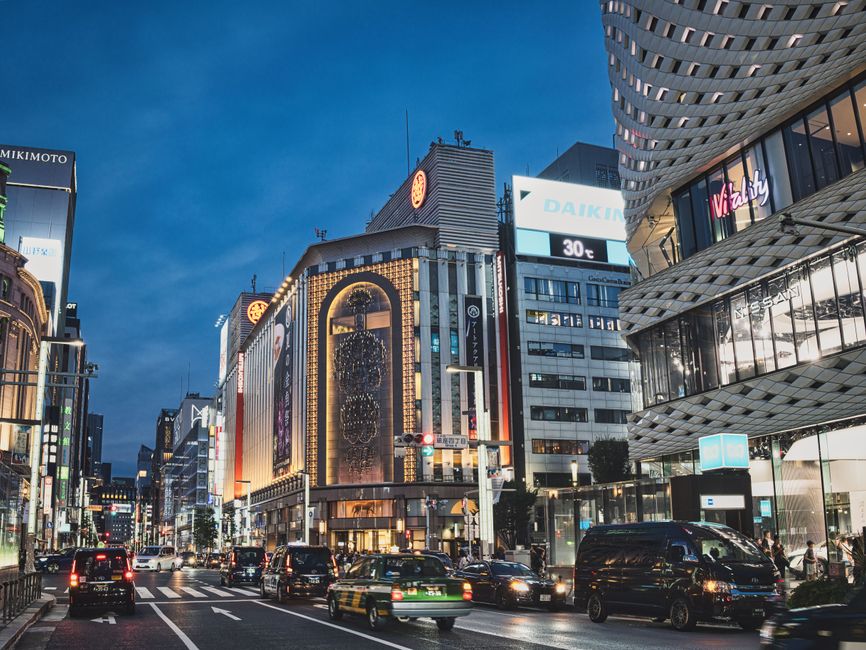
Japan's most expensive shopping district. Mitsukoshi, Wako, and Matsuya department stores anchor the area; their basement food halls (depachika) offer gourmet samples that can essentially replace lunch. Uniqlo Ginza is a 12-story global flagship with Japan-only product lines. Muji Ginza is the world's largest Muji and even has its own hotel.
Visit Info
PriceFree (purchases extra)
HoursDepartment stores 10:00-20:00, pedestrian zone Sat/Sun/holidays 12:00-17:00
Time2-3 hours
Local Tip
Depachika basements discount prepared foods and bento 30-50% in the final 30 minutes before closing. Mitsukoshi Ginza basement at 7:30 PM is a strong dinner play.
Shimokitazawa
Three minutes from Shinjuku via the Keio Inokashira Line, but a completely different world. 30+ vintage clothing stores cluster here, ranging from $5 / ¥750 secondhand t-shirts to genuine 1960s Levi's worth hundreds. Indie record shops, third-wave coffee bars, and small theaters fill the alleys.
Visit Info
PriceFree (shopping/cafés extra)
HoursShops 12:00-20:00 (cafés from 8:00)
Time2-3 hours
Local Tip
Vintage shops restock new arrivals Tuesday-Friday mornings. Bear Pond Espresso is genuinely worth the wait. Avoid weekend afternoons.
Theme Parks & Family
2 spots
1
Tokyo Disneyland & DisneySea
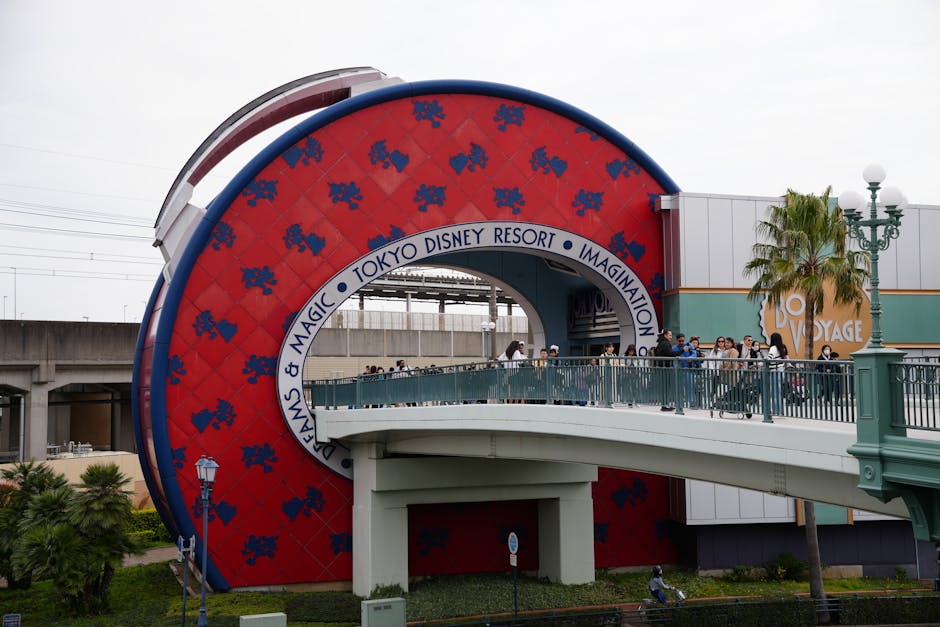
Two separate parks side by side in Maihama (Chiba), 15 minutes from Tokyo Station. DisneySea is the only sea-themed Disney park in the world and is widely regarded as the best-themed park on the planet — seven nautical zones including Mediterranean Harbor, Mysterious Island, and Arabian Coast. Even theme-park skeptics tend to be impressed. Tokyo Disneyland is the more traditional castle park with Japanese signature attractions like Pooh's Hunny Hunt. Together they pull 30+ million visitors annually — the most-visited park complex outside Florida.
Visit Info
Price1-day single park $50-65 / ¥7,500-¥9,750 (dynamic by date and demand). 2-day 2-park $85-115 / ¥12,750-¥17,250. Premier Access (skip lines) $13-20 / ¥2,000-¥3,000 per ride.
Hours9:00-21:00 (varies by season; check official calendar)
TimeFull day minimum per park
Local Tip
Book through the official Tokyo Disney Resort app — same-day counter sales sell out routinely. Weekends and Japanese national holidays bring 2-3 hour waits at popular rides; aim for Tuesday-Thursday. Disney hotel guests get Happy Entry 15 minutes before public opening — worth the premium for one-day visits. Access: JR Keiyo Line from Tokyo Station to Maihama, $2 / ¥300, 15 minutes.
Ghibli Museum (Mitaka)
Hayao Miyazaki's animation studio museum, hidden inside Inokashira Park in suburban Mitaka. A whimsical building designed by Miyazaki himself, featuring exclusive short films (only screened here), original animation cels, and a giant Catbus that children can climb on. Photography forbidden inside — the deliberate scarcity is part of the design. Tickets sold one month in advance and consistently sell out within hours.
Hours10:00-18:00 (closed Tuesdays and select dates)
Time2-3 hours
Local Tip
Tickets must be booked on the 10th of the month for the following month via the official Lawson ticket site (Japanese only — use a translation tool). International visitors can also book through JTB or H.I.S. tour packages with markup. Inokashira Park itself is worth an additional hour, especially during cherry blossom season.
Neighborhood Walks
4 spots
Kichijoji & Inokashira Park
17 minutes on the JR Chuo line from Shinjuku gets you to the neighborhood Tokyoites consistently vote 'most-livable.' Inokashira Park (40 hectares) sits in the middle — boat lake, cherry blossoms, small zoo. The Ghibli Museum (Mitaka City-run, separate ticket) inside the park is the Miyazaki pilgrimage destination. Outside the park, Harmonica Yokocho (a tight alleyway of izakayas and standing bars) and Sato Ramen are the local hangouts.
Visit Info
PricePark free; Ghibli Museum ¥1,000 ($6.50); boat rental ¥800 ($5.20)/30min
Ghibli Museum requires booking 1 month ahead via Lawson Loppi terminals or online. Cherry blossom season (April) boat queues run 1 hour — weekday recommended.
2
Yanaka
5-minute walk from JR Nippori Station. One of the few Tokyo neighborhoods that survived both the 1923 Great Kanto Earthquake and the 1945 US firebombing, so Meiji-era (1868-1912) wooden houses, narrow alleys, and old temples remain largely intact. Yanaka Ginza (a 100-meter shopping street with 60+ family-run stalls) sells menchikatsu, korokke, and ice cream eaten on the walk. Often called 'Cat Street' for its abundant strays. Tokyo's quietest and most authentically Japanese neighborhood.
Visit Info
PriceWalking free; snacks ¥300-600 ($2-4)
Hours24h; Yanaka Ginza shops 10:00-18:00
Time2-3 hours
Local Tip
JR Yamanote line Nippori west exit. Weekend crowds on Yanaka Ginza — weekday afternoons recommended. Hagiso cafe (renovated wooden house) for lunch.
3
Daikanyama & Nakameguro
Tokyu Toyoko line, Daikanyama Station. T-Site (Tsutaya Books flagship — 150,000 volumes, open until 2 AM daily), design boutiques, and cafes pack the narrow streets — Tokyo's trendy headquarters. Ten minutes' walk away is Nakameguro, where the Meguro River runs 800 meters under a tunnel of cherry trees that explodes pink in early April. Cafes, bars, and dessert shops line both banks. Adult-feeling alternative to Shibuya's noise.
Visit Info
PriceWalking free; T-Site free entry; cafes $5-12
HoursWalking 24h; T-Site 07:00-26:00
Time3-4 hours
Local Tip
Tokyu Toyoko line Daikanyama Station. April cherry blossom weeks are mobbed — weekday mornings or evenings are quieter. T-Site stays open until 2 AM for evening browsing.
Jiyugaoka
Tokyu Toyoko line, Jiyugaoka Station. Tokyo's dessert capital — 100+ patisseries, macaron boutiques, chocolatiers, and Japanese wagashi shops crammed into narrow streets. Mont St. Clair (cream puffs), Patisserie Paris S'eveille (the Lemon Cake is the signature), Bake Cheese Tart flagship sit shoulder-to-shoulder. La Vita (a mini Venice canal photo spot) is the date destination. Lesser-known to international travelers, so it stays relatively uncrowded.
Visit Info
PriceWalking free; desserts $4-8 each
HoursWalking 24h; patisseries 10:00-20:00
Time2-3 hours
Local Tip
Tokyu Toyoko line Jiyugaoka Station. Sweets Forest (2nd-floor dessert food court) lets you compare shops in one spot. Weekdays are calm; weekends bring Japanese date crowds.
Day Trips from Tokyo
4 spots
1
Nikko
About 2 hours by Tobu Nikko line express from Asakusa Station (¥3,000/$19 one-way). The Toshogu Shrine (founded 1617, UNESCO World Heritage) — Tokugawa Ieyasu's mausoleum — sits with Futarasan Shrine and Rinnoji Temple in a forest. The original 'See No Evil, Speak No Evil, Hear No Evil' monkey carvings are here. Fall foliage (October-November) is rated Japan's #1 autumn destination.
Asakusa Station Tobu express is the fastest, easiest route. Foliage peak (October 2nd-3rd week) is mobbed — weekday early morning. Adding Yunoko Lake and Kegon Falls turns this into a 2-day trip.
2
Kamakura
1 hour by JR Yokosuka line from Tokyo Station (¥940/$6 one-way). Japan's samurai-era capital (1185-1333) — temples, beaches, and Showa-era atmosphere combine in this #1 Tokyo day trip. The 11.3-meter bronze Great Buddha (Kotokuin, 1252) and Hasedera Temple (famous for hydrangeas, peaking in June) anchor the main loop. Komachi-dori (a shopping street) connects the train station to the temples. In summer, Yuigahama and Zaimokuza beaches host surfers and swimmers. The Japanese film 'Our Little Sister' was set here.
The Enoden tram from Kamakura to Enoshima passes Kamakurakokomae crossing — the Slam Dunk anime opening. June's hydrangea season is peak.
3
Hakone
1 hour 25 minutes by Odakyu Romance Car express from Shinjuku (¥2,400/$15 one-way). 100+ hot springs, Lake Ashi, and Mount Fuji views — Tokyo's #1 onsen day trip. The Hakone Free Pass ($40-45 for 2 days) covers buses, mountain railway, ropeway, and even the pirate ship across the lake. Owakudani (a volcanic crater) sells kuro-tamago (black eggs — Japanese folklore says they extend life 7 years). Ryokan stays $130-400/night.
Time2 days, 1 night recommended (day trip possible but rushed)
Local Tip
Pre-book Shinjuku Odakyu Department Store GSE Romance Car premium seats. Mount-Fuji-visible ryokans are concentrated around Lake Ashinoko and Sengokuhara. Fuji is most visible November through March.
4
Yokohama
25 minutes by JR Tokaido line from Tokyo Station (¥500/$3 one-way). Japan's first international trading port (opened 1859) — Minato Mirai 21 (Yokohama Landmark Tower, Cosmo World Ferris wheel) for futuristic night views, Japan's largest Chinatown (500 meters, 600+ shops), Kannai Akarenga (the historic red-brick warehouses). Japanese voters rank Yokohama their #1 city to get married in.
Sushi, izakaya, ramen, kaiseki — all four major Japanese genres in 24 hours. Book lunch and dinner 4 weeks ahead.
Practical Tips
Local know-how that saves you time and money on the ground.
1
JR Pass only pays off if you're doing a multi-city Japan trip 7+ days. For Tokyo-only, a Suica or PASMO IC card beats it cleanly.
2
Shinjuku and Shibuya become wall-to-wall after 4 PM. For photos, arrive between 9-11 AM.
3
Carry $70-100 in cash. Most places take cards, but small shrines, mom-and-pop restaurants, and offerings need coins or bills.
4
When transferring between rail companies (JR ↔ Tokyo Metro ↔ Toei), you exit and re-enter ticket gates. Allow 5-10 extra minutes per transfer.
5
Tipping doesn't exist in Japan. Staff will chase you down to return change — just take it.
Getting Around
Get a Suica or PASMO IC card immediately — physical cards have a $3 / ¥500 deposit, but iPhone/Android users can add Mobile Suica via Apple Pay or Google Pay before arrival, no physical card needed. The card works on all trains, buses, vending machines, and convenience stores. Single fares run $1.50-3 / ¥225-¥450 by distance. Tokyo Metro 24-hour pass is $6 / ¥900, the Metro+Toei combo is $9 / ¥1,350 — worth it if you'll ride 4+ times. Taxis are clean and safe but expensive: base fare around $5 / ¥750, late-night surcharge of 20% from 22:00. Use the GO or S.RIDE apps; Uber barely operates here.
Scams & Tourist Traps
▶
Kabukicho (Shinjuku nightlife area) touts: 'free guidance' offers lead to bars with $200-700 / ¥30,000-¥100,000 hidden bills (called 'bottakuri' scams). Tokyo police can't keep up. Refuse all street solicitations.
▶
Near Shibuya/Shinjuku stations: 'help with a survey' or 'let me take your photo' approaches are common cult/religion recruitment fronts. Some recruiters speak fluent English. Polite refusal works.
▶
Some Golden Gai and Yokocho bars hide cover charges ($7-20 / ¥1,000-¥3,000) until billing time. Always ask 'Cover charge?' before sitting down. Bars marked 'No Cover Charge' are safer.
▶
Roppongi club touts: 'free entry for foreigners' followed by drink prices marked up 5-10x. Walk in only to clubs you've researched yourself.
▶
Taxi scams are extremely rare. Late-night surcharges (20% from 22:00 to 5:00) are legitimate — don't argue. Use GO or S.RIDE apps for guaranteed metered fares.
Book Tours & Activities in Tokyo
Booking online is typically cheaper than walk-up rates and reserves your spot.
Common questions about attractions and activities in Tokyo.
What are the 5 must-do experiences in Tokyo?
First, Senso-ji + Asakusa. Tokyo's oldest temple (founded 628), best visited before 7 AM when tour groups arrive — you'll have the entire temple to yourself. Second, Shibuya Crossing + Shibuya Sky. The world's busiest pedestrian crossing plus the 229m open-air observation deck ($14-16) that lets you look down on the chaos from above. Third, Tokyo Skytree + Solamachi. The world's tallest free-standing broadcast tower at 634m, with the 350m observation deck ($14-17) catching both sunset and night-light city views if you enter an hour before sunset. Fourth, Tsukiji Outer Market for breakfast — sushi, sea urchin, tuna skewers walked from stall to stall is the canonical Tokyo morning. Fifth, teamLab Borderless or Planets ($27-30) — the digital-art experience that exists nowhere else, advance booking required. Three days hits these five tightly; five days adds Disney and Ueno; seven days adds an overnight to Hakone or Nikko.
What can I do in Tokyo for free?
The Tokyo Metropolitan Government Building observation deck (45th floor, 202m, 10 minutes' walk from Shinjuku Station) gives a 360° view including Mount Fuji on clear days — completely free. Meiji Shrine (the 70-hectare forest next to Harajuku Station), the Imperial Palace East Gardens, Ueno Park (53 hectares plus the museum district), and Shinjuku Gyoen (58 hectares, ¥200 entry but effectively free) are all the major parks. The Shibuya Crossing itself is free, and the Starbucks Shibuya Tsutaya 2nd floor window seats give you the same view for the price of a coffee. Asakusa's Nakamise Street and Ueno's Ameyoko Market have free entry (snacks separate). Walking through Shinjuku's Golden Gai and Omoide Yokocho is free. Tokyo's free Wi-Fi at 7-Eleven and convenience-store vending machines round out the value play.
Which Tokyo attractions are expensive, and how do I save?
teamLab Borderless/Planets ($27-30) and Tokyo Disneyland/DisneySea (1-day pass $58-76) are the priciest. teamLab requires advance booking and weekday mornings are the best value. Disney requires the official app for advance ticketing plus 'Premier Access' (¥1,800-3,500 per attraction) to skip lines. Observation decks — Shibuya Sky ($14-16), Tokyo Skytree ($14-17), Tokyo Tower ($11-22), Roppongi Hills ($17 + rooftop $5), Shibuya Sky-Scramble Square ($17) — peak in price at sunset. The best value is the free Tokyo Metropolitan Government observation deck (Shinjuku). The Tokyo Metro 24/48/72-hour passes (¥800/¥1,200/¥1,500) pay off after 3+ days. Skip the JR Pass for a Tokyo-only trip — Suica works for all metro/subway/JR in the city.
What are the best day trips or overnight escapes from Tokyo?
Nikko is the closest UNESCO World Heritage site — 2 hours by Tobu Nikko express from Asakusa ($19 one-way). The Toshogu Shrine (Tokugawa Ieyasu's mausoleum) is the anchor; fall foliage here is rated Japan's #1. Kamakura is 1 hour by JR Yokosuka line from Tokyo Station ($6 one-way) — the 11.3m Great Buddha, Hasedera Temple (hydrangeas in June), and Yuigahama Beach (summer) make for a full day trip. Hakone is 1h 25min by Odakyu Romance Car from Shinjuku ($15 one-way) — hot springs, Lake Ashi, and Mount Fuji views are the package, ideally with an overnight ($130-400/night ryokan stays). Yokohama is just 25 minutes from Tokyo Station ($3 one-way) — Minato Mirai 21 for skyline views, Japan's largest Chinatown, and the Cosmo World Ferris wheel for a quick but complete day.
Where in Tokyo is best for families with kids?
Tokyo Disneyland and DisneySea are the obvious #1. JR Keiyo line from Tokyo Station to Maihama Station is only 15 minutes, making both parks natural extensions of a Tokyo itinerary. Buy a 2-day pass to do both parks (1-day passes only allow one park). Ueno Park (53 hectares) combined with Ueno Zoo (¥600) and the National Museum of Nature and Science (kids love the dinosaurs and animal exhibits) makes a full family day. Kichijoji's Inokashira Park + Ghibli Museum (Mitaka City, book 1 month ahead) is another full-day option. Raqua Hotel at Tokyo Dome City combines a kids' amusement park with a natural hot spring on-site. Tsukiji Outer Market has kid-friendly street food. Avoid Golden Gai, Kabukicho, and the Robot Restaurant — they're adult-oriented nightlife.
Where are the best night and sunset views in Tokyo?
Shibuya Sky ($14-16, 229m, open-air 360°) is the photo-prime spot from an hour before sunset through night. The SKY EDGE area where you can lie down and look up at the sky is the canonical Instagram shot. Tokyo Skytree ($14-17, 350m) is the tallest but the photos work less well behind glass. Roppongi Hills Mori Tower Sky Deck ($21, 270m outdoor) — Japan's only public outdoor helipad — frames Tokyo Tower head-on. The Tokyo Metropolitan Government observation deck (45th floor, 202m, free) gives a Shinjuku-area panorama including Mount Fuji on clear days. Odaiba Rainbow Bridge walk (or the Yurikamome line) is free and the post-sunset bridge-lit + Tokyo Bay + Odaiba Ferris wheel framing is a classic Tokyo wide shot. Sunset slots book out a week in advance during peak season.
What scams or rip-offs should I watch out for in Tokyo?
Tokyo is one of the safest large cities in the world — lost wallets routinely come back to police stations with cash intact. The one exception is Kabukicho. Aggressive touts (especially those approaching foreigners in English) lead to overpriced 'catch bars' with surprise cover charges. Golden Gai bars sometimes have undisclosed seat charges — always start with 'No Cover Charge' marked bars and confirm before sitting down. Costume characters approaching for photos at Disneyland, Ueno, Asakusa, and Shibuya may charge after the fact — confirm 'free' before agreeing. Tsukiji Outer Market and many traditional restaurants are cash-only — carry yen. ATMs at JP Post Office and 7-Eleven are the only ones reliably accepting foreign cards. Tokyo Metro non-smoking cars are clearly marked — fines start at ¥10,000+ for smoking violations. If you get lost at Shinjuku or Shibuya stations, station staff are uniformly helpful, often with English.
What are Tokyo's hidden, locals-only neighborhoods worth a visit?
Yanaka (5 min walk from Nippori Station) is the rare Tokyo neighborhood that survived both the 1923 Great Kanto Earthquake and the 1945 firebombing intact — Meiji-era wooden houses and narrow alleys remain. The 100-meter Yanaka Ginza street sells menchikatsu and korokke walked from stall to stall. Shimokitazawa (7 min from Shinjuku) is the birthplace of Japanese indie music — vintage stores, used-record shops, small theaters packed into narrow streets, with a feel like Seoul's Hongdae but smaller and older. Jiyugaoka (near Daikanyama Station) is Tokyo's dessert capital — 100+ patisseries, macaron shops, Japanese wagashi all in alleyway clusters, mostly unknown to international travelers. Daikanyama T-Site (Tsutaya Books flagship, open until 2 AM) is the trendy book + design + cafe destination. The free Tokyo Metropolitan Government observation deck (Shinjuku, 202m) outclasses paid towers like Shibuya Sky ($14-16) and Tokyo Skytree ($14-17). Michelin 3-star sushi like Sushi Saito (book 18 months ahead) or Sushi Yoshitake are the real fine-dining Tokyo that most international visitors don't know.
More on Tokyo
Cost guide, itineraries, hotel picks — everything in one place.
Jimmy Kong
TripPick founder · Travel content creator
Based in Chiang Mai for 8+ years, with 30+ countries visited across Southeast Asia, Japan, and Europe. Every detail in this guide is primary-source verified as of April 2026, with prices auto-refreshed via live exchange rate APIs. This isn't AI-generated boilerplate — it's written from the perspective of someone who has actually been there.
8+ years analyzing travel data
30+ countries visited
Live exchange rate verified
 Japan
Japan 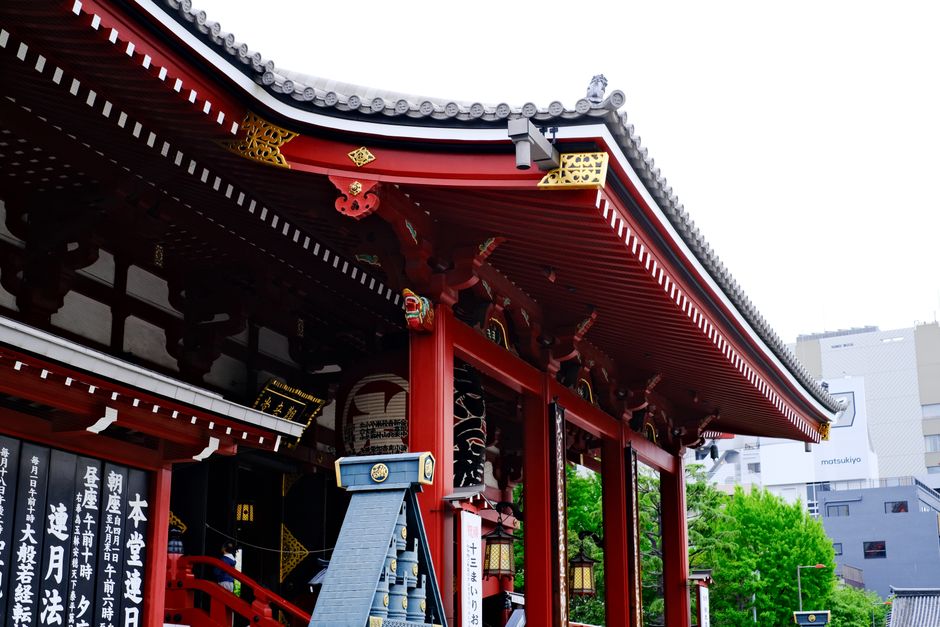 1
1